























How to Dry 3D Printer Filament: The Complete Guide (PLA, PETG, TPU, Nylon & More)
Wet filament is the #1 hidden cause of failed 3D prints. Strings, blobs, popping sounds, rough surfaces, and sudden brittle snaps — most of these problems aren't your printer's fault. They're caused by moisture absorbed into your filament.
In this complete guide, we'll show you exactly how to tell if your filament is wet, how to dry every common material, and how to keep it dry so you never waste another spool.
Why Does Filament Absorb Moisture?
Most 3D printing filaments are hygroscopic — they actively pull water molecules from the air. Nylon (PA) is the worst offender, absorbing up to 8% of its weight in moisture. PETG, TPU, and ABS also absorb significant amounts. Even PLA, which is relatively resistant, will pick up moisture over time if stored in a humid environment.
When water-laden filament is heated in the nozzle, the moisture turns to steam. The steam expands violently, creating:
- Stringing and oozing
- Popping and crackling sounds from the nozzle
- Rough, dull, or blistered surfaces
- Weak, brittle prints that snap between layers
- Clogged nozzles and failed prints
How to Tell If Your Filament Is Wet
Look for these signs:
- Popping sounds while printing — the clearest indicator
- Excessive stringing on travel moves
- Dull, rough, or cloudy print surfaces
- Brittleness — a fresh spool should bend; wet filament snaps easily
- Steam or bubbles visible at the nozzle
Filament Drying Temperature Chart
Different materials need different drying temperatures. Too hot and the spool will warp; too cool and the moisture never escapes. Here's the safe range for every common material:
| Material | Drying Temperature | Drying Time |
|---|---|---|
| PLA / PLA+ | 45–50°C | 4–6 hours |
| PETG | 60–65°C | 4–6 hours |
| ABS / ASA | 70–80°C | 4–6 hours |
| TPU | 55–65°C | 4–8 hours |
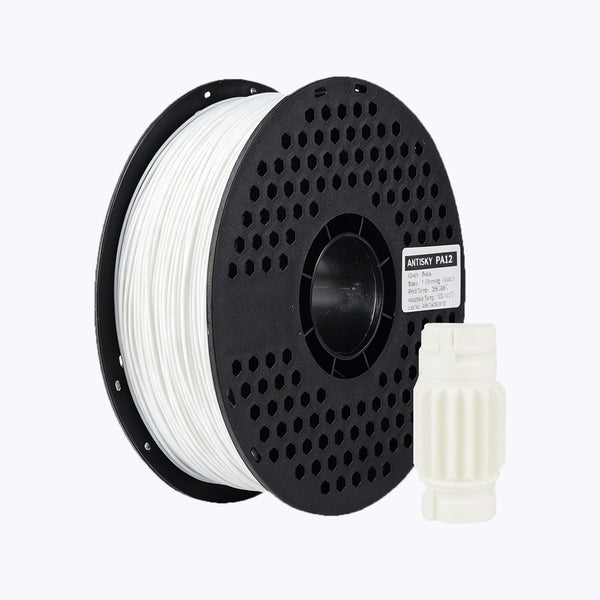
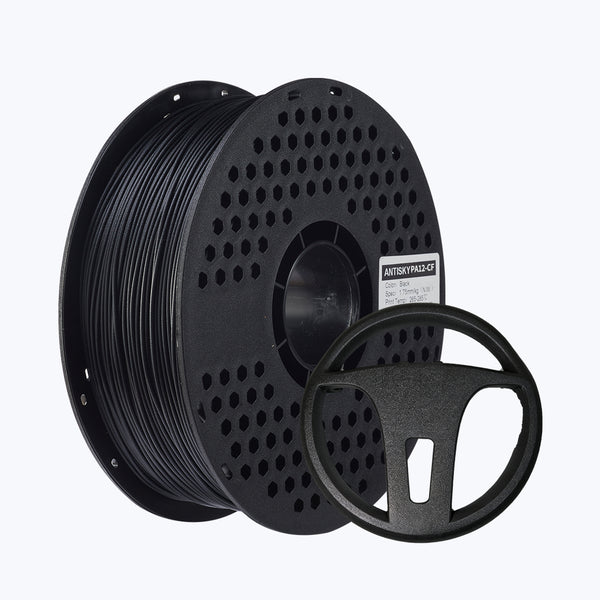
| Nylon (PA12, PA-CF) | 70–80°C | 8–12 hours |
| PC | 80–100°C | 4–8 hours |
| PVA (support) | 45–50°C | 4–6 hours |
Note: Always check the manufacturer's recommendations — some specialty filaments (like PLA Silk) prefer lower temperatures.
4 Ways to Dry Filament (Without Ruining It)
1. Dedicated Filament Dryer (Recommended)
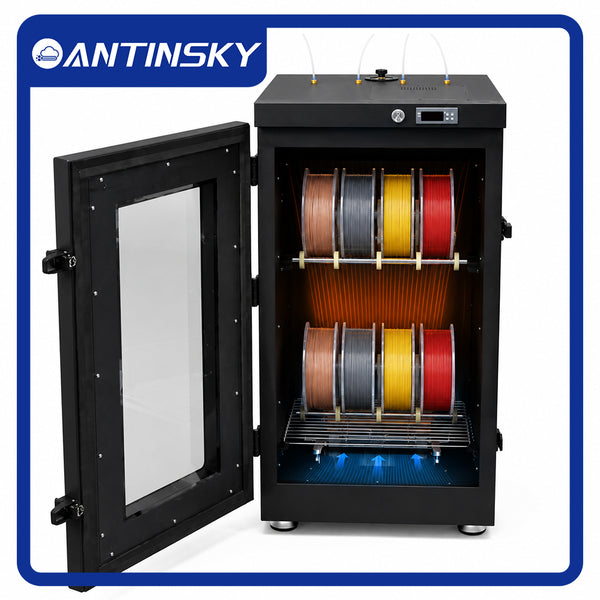
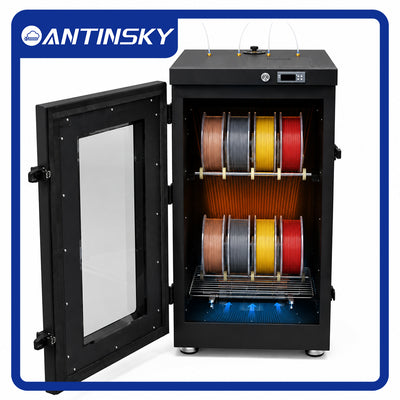
A purpose-built dryer is the safest, most reliable option. It holds the spool at a precise temperature with active air circulation, so you can set it and forget it. Many dryers also double as dry storage boxes while printing.
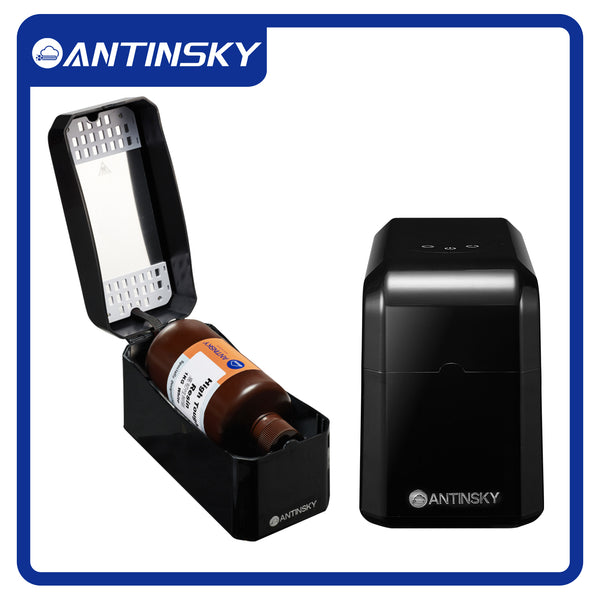
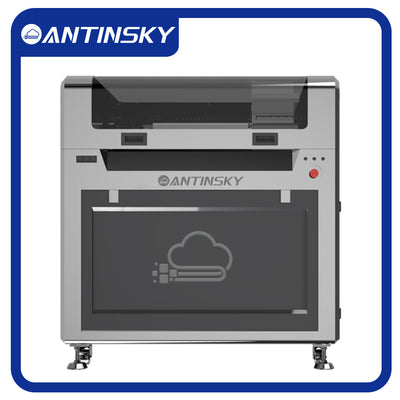
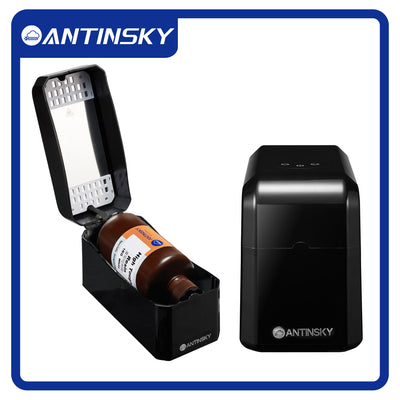
If you're looking for one, the ANTINSKY FilaBox D100 is a 2-in-1 sealed storage box and constant-temperature drying chamber designed for 3D printing filaments. For workshops running multiple spools or printing engineering materials like nylon, the ANTINSKY FDC12 Filament Dryer Cabinet dries up to 12 spools at once.
2. Food Dehydrator
A cheap food dehydrator works well for standard materials. Set it to the temperatures above and place the spool inside for 4–6 hours. Avoid using your kitchen oven — most home ovens can't hold a stable low temperature and will soften or warp the spool (and you don't want filament residue in the oven you cook with).
3. Heated Bed Method (Emergency)
In a pinch, place the spool on the printer's heated bed, cover it with a cardboard box to trap heat, and set the bed to the material's drying temperature. This is slower and less effective but can rescue a spool in an emergency.
4. Dry Box + Desiccant (For Storage)
Once filament is dry, keep it dry. Store spools in airtight boxes with silica gel desiccant. Active desiccant dryers (with rechargeable desiccant) work best for humid climates. This is where a sealed dry box like the FilaBox shines — it keeps your spool dry during long multi-day prints.
How to Keep Filament Dry Long-Term
- Always return filament to a sealed bag or dry box after printing
- Add desiccant packs to your storage (silica gel, indicating type shows when to recharge)
- Keep humidity in your print room under 50% if possible
- For Nylon, PETG, and TPU, consider printing from a dry box
- Re-dry filament that has been out in a humid environment for more than a few days
Does PLA Need Drying?
PLA is the most forgiving material, but it still absorbs moisture — just more slowly than PETG or nylon. If your PLA is popping, stringing, or printing rough, dry it at 45–50°C for 4–6 hours. PLA that has been properly dried prints smoother, shinier, and with noticeably better overhangs.
Common Mistakes to Avoid
- Drying too hot: PLA above 55°C will soften and deform the spool
- Using a kitchen oven: temperature swings will ruin the spool
- Drying for too short: 30 minutes does nothing — water takes hours to diffuse out of the filament core
- Forgetting to store dry filament properly: it will re-absorb moisture within hours in a humid room
FAQ
How long does it take to dry filament?
Most materials need 4–6 hours at their recommended temperature. Nylon can take 8–12 hours. There's no shortcut — moisture diffuses slowly through the filament.
Can I dry filament in the oven?
Technically yes, but it's risky. Most ovens can't maintain a stable 50°C and will overshoot, warping your spool. A dedicated filament dryer or food dehydrator is far safer.
How do I know when filament is dry?
The popping sounds stop, stringing drops dramatically, and prints come out smooth and glossy. If your filament snaps instead of bending, it's still wet.
Does drying filament improve print quality?
Yes — dramatically. Dry filament prints smoother, stronger, with fewer clogs and better dimensional accuracy. It's the single cheapest upgrade you can make to your print quality.
Which filaments need drying most?
Nylon (PA), PETG, TPU, and PVA are the most moisture-sensitive. ABS, ASA, and PLA are less sensitive but still benefit from drying in humid climates.
Start Printing Dry
Wet filament is a silent print-killer. Dry it properly, store it sealed, and your prints will be stronger, smoother, and far more consistent. Pair a reliable dryer with quality materials — like our ANTINSKY PLA+, PETG, and TPU 95A filaments — and you'll wonder why you ever printed with soggy spools.