



















🧪 PLA vs PETG vs ABS – Which 3D Printer Filament Should You Use?
If you are new to 3D printing, the first question you will ask is: "Which filament should I buy?" The answer almost always comes down to three materials – PLA, PETG and ABS. Each one is the best choice for a different kind of print. This guide breaks down the real differences so you can pick the right spool for your project the first time.
🔍 The Short Answer
| Material | Best For | Ease of Printing | Toughness | Heat Resistance |
|---|---|---|---|---|
| PLA | Prototypes, toys, models, decor | ⭐⭐⭐⭐⭐ Easiest | ⭐⭐ Brittle | ~60°C (low) |
| PETG | Functional parts, containers, outdoor | ⭐⭐⭐⭐ Easy | ⭐⭐⭐⭐ Tough | ~80°C (medium) |
| ABS | Mechanical parts, automotive, heat | ⭐⭐⭐ Moderate | ⭐⭐⭐⭐ Strong | ~100°C (high) |
🌽 PLA – The Friendly All-Rounder
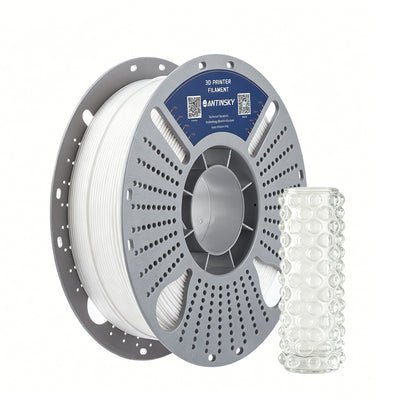
PLA (Polylactic Acid) is made from renewable resources like corn starch. It is the easiest material to print: low printing temperature, minimal warping, no heated chamber required, and almost no odor. That makes it the perfect first filament and the default choice for anything decorative.
- Pros: easiest to print, sharp details, huge color selection, cheap, biodegradable origin
- Cons: brittle, low heat resistance (softens in a hot car), not suitable for outdoor use
- Best for: figurines, vases, prototypes, toys, desk accessories, school projects
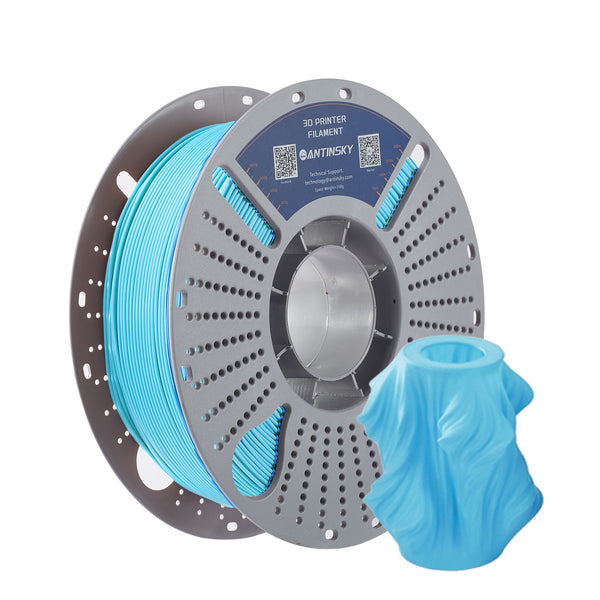
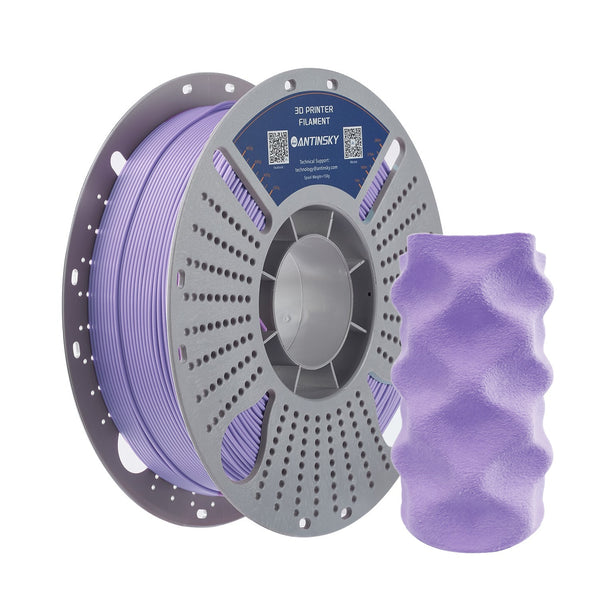
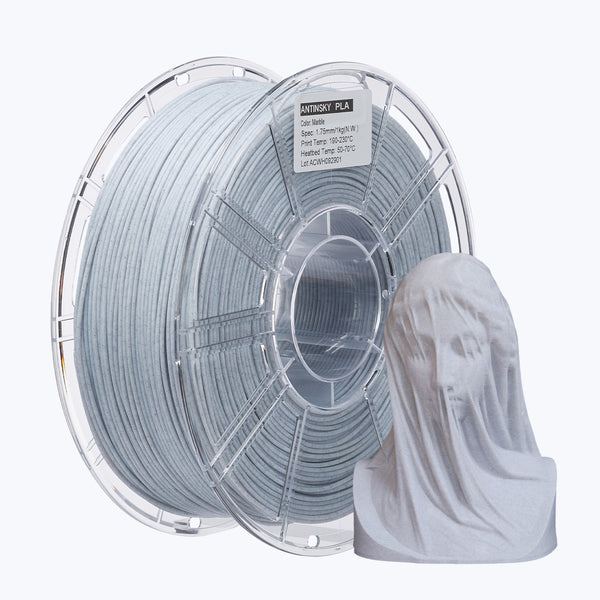
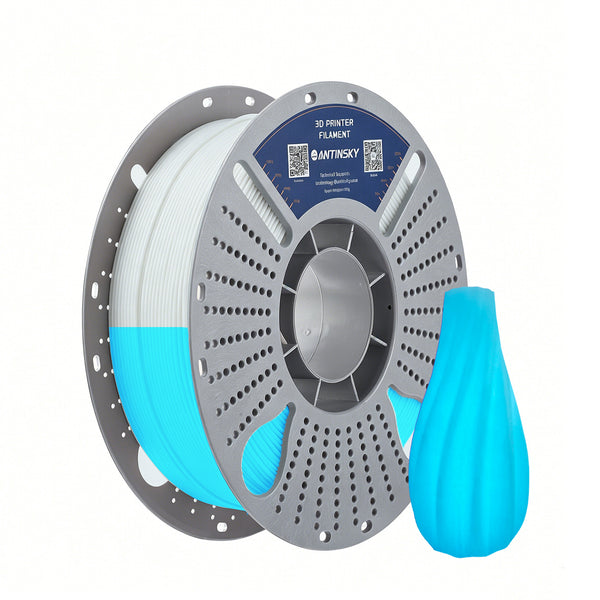
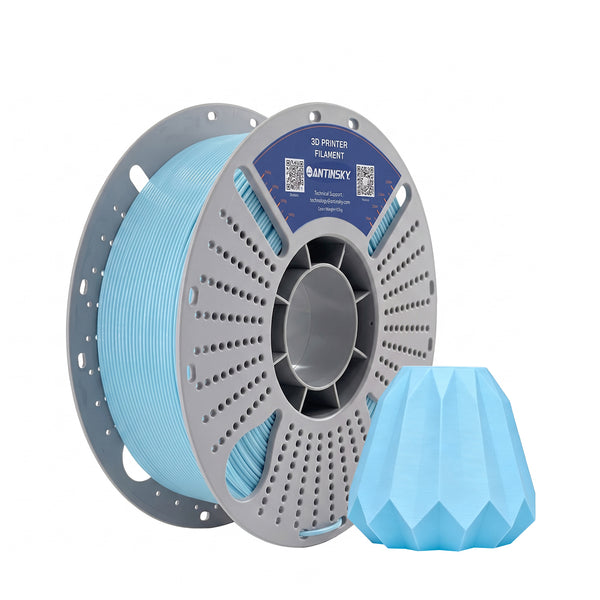
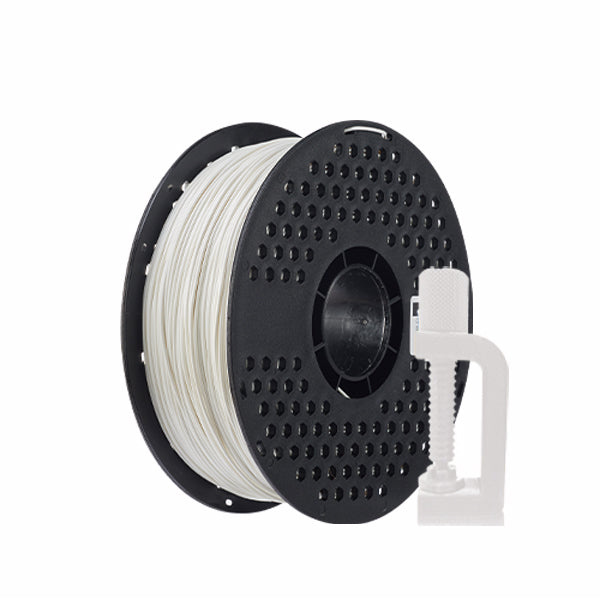
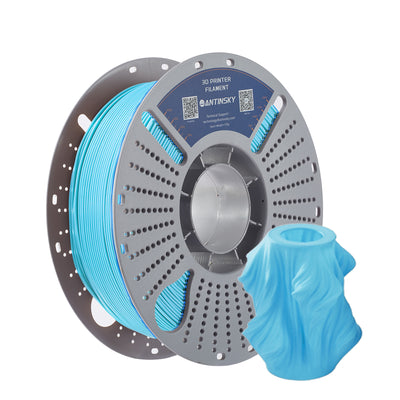
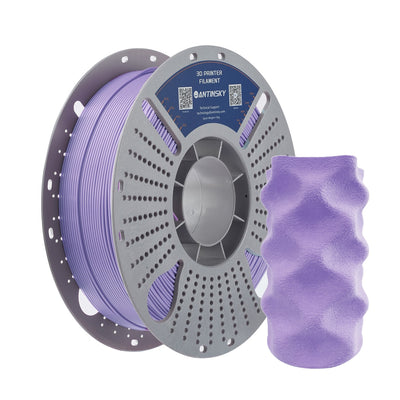
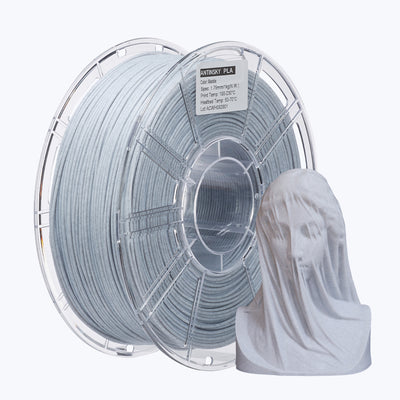
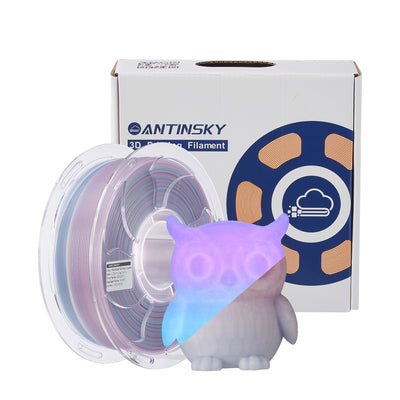
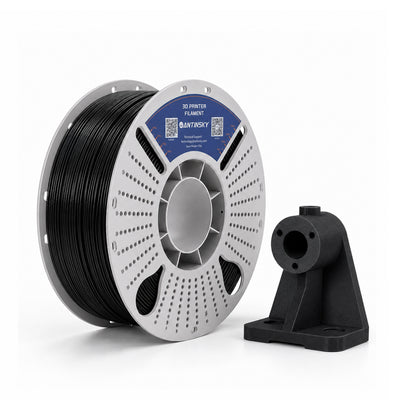
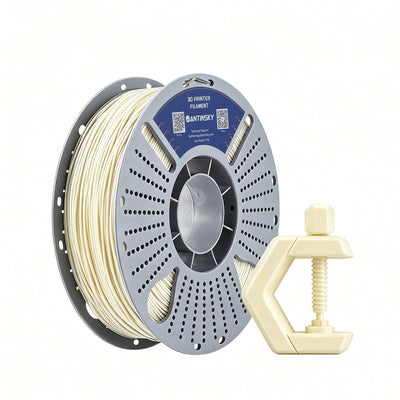
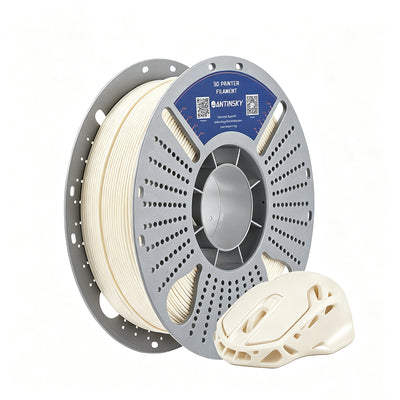
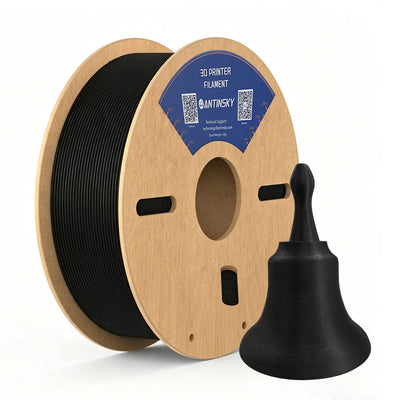
💡 ANTINSKY pick: ANTINSKY PLA+ 1KG – 26 colors at $7.00 for everyday prints, or PLA Matte for a premium soft-touch finish that hides layer lines.
🥤 PETG – The Tough All-Rounder
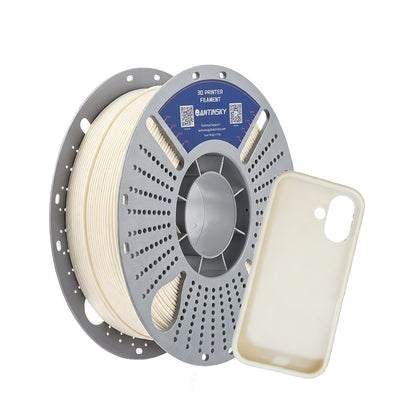
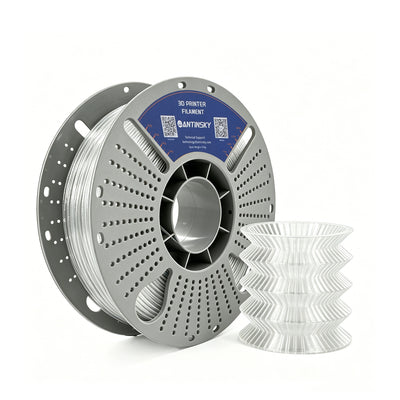
PETG (Polyethylene Terephthalate Glycol) is like PLA's stronger sibling. It prints almost as easily but is far tougher, more impact-resistant, and handles heat better. It also resists water and many chemicals, making it the go-to for functional parts that actually get used.
- Pros: tough and durable, impact-resistant, low warping, food-safe friendly, weather-resistant
- Cons: slightly stringier than PLA, needs a bit more tuning for perfect results
- Best for: mechanical parts, brackets, phone stands, planters, outdoor fixtures, RC parts
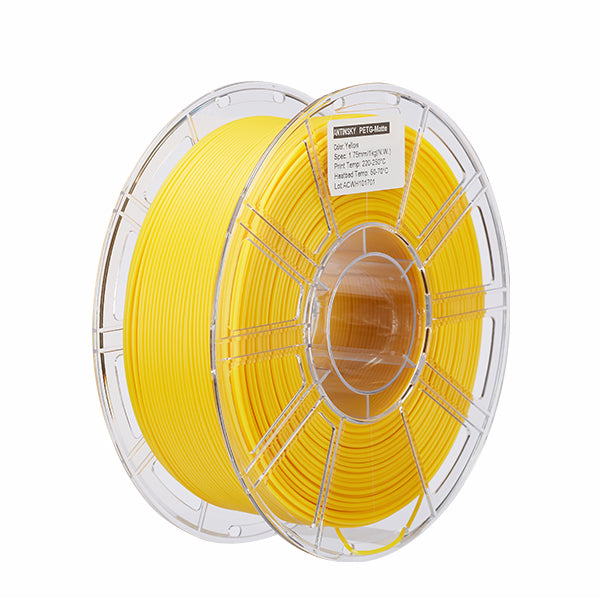
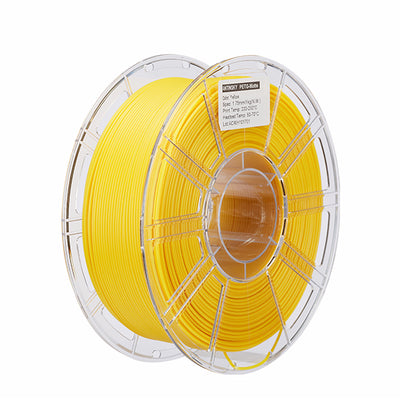
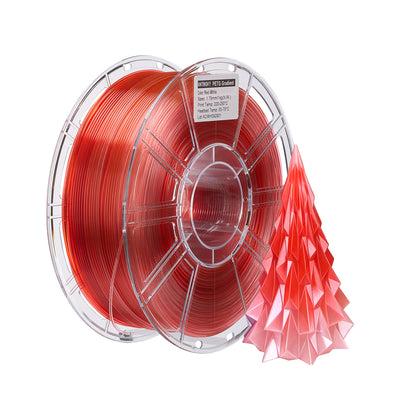
💡 ANTINSKY pick: ANTINSKY PETG 1KG – 20 colors at just $6.00 – unbeatable value for strong functional parts.
🏗️ ABS – The Engineering Classic
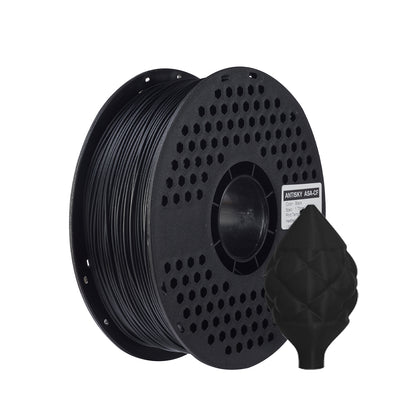
ABS (Acrylonitrile Butadiene Styrene) is the material behind LEGO bricks and car bumpers. It is strong, tough, and heat-resistant, which is why it dominates functional and automotive printing. It needs a heated bed (and ideally an enclosed printer) to avoid warping, and it has a noticeable smell while printing.
- Pros: strong and durable, high heat resistance, can be sanded and acetone-smoothed
- Cons: warps easily without an enclosure, odor while printing, needs higher temperatures
- Best for: enclosures, brackets, automotive parts, anything that sits in the sun or near heat
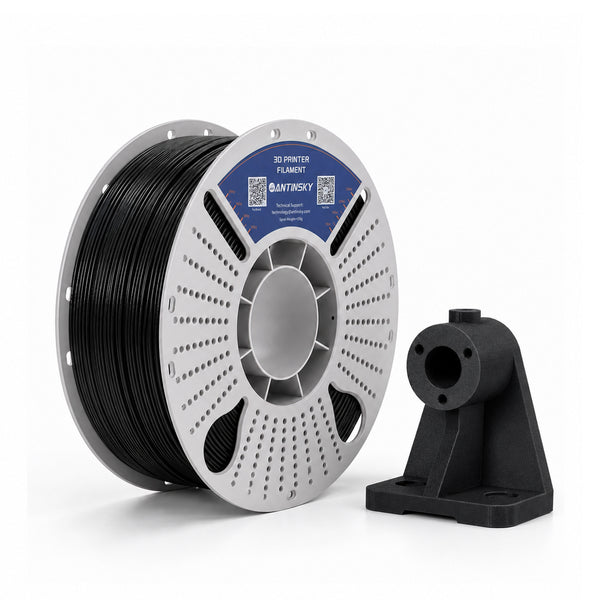
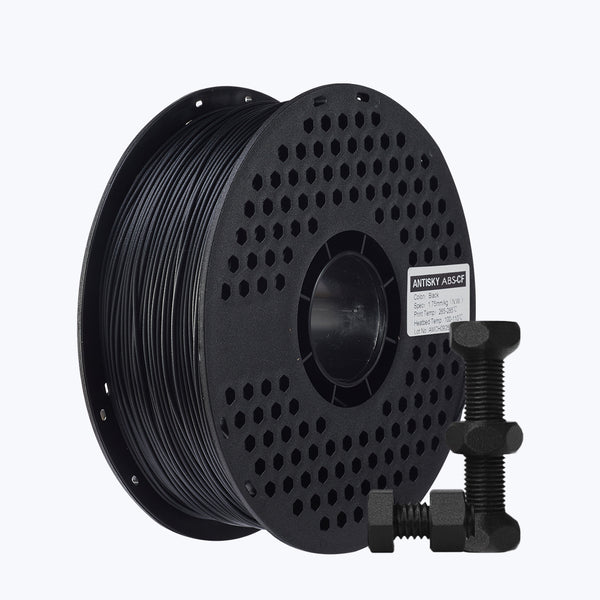
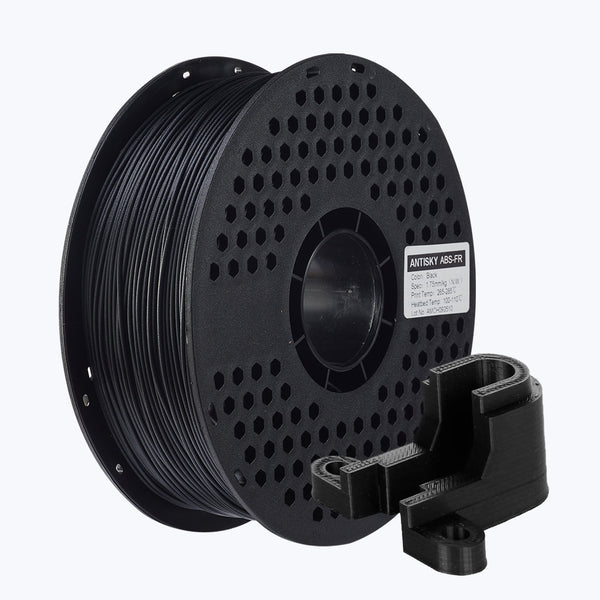
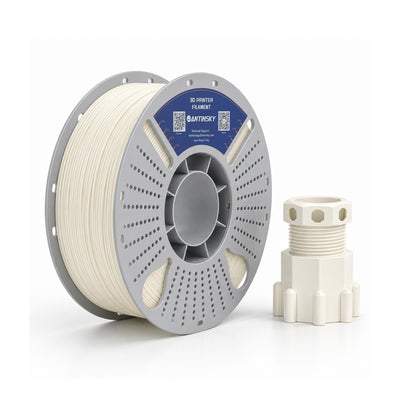
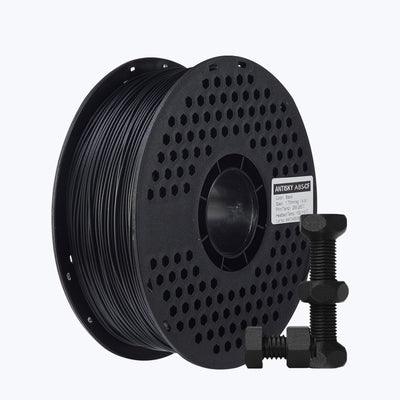
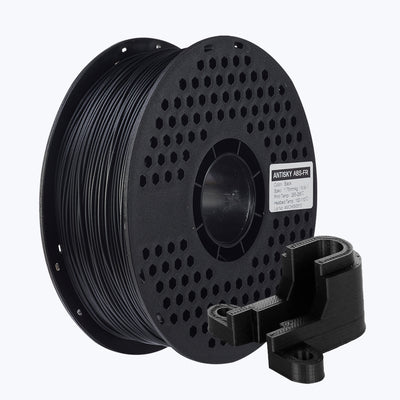
💡 ANTINSKY pick: ANTINSKY ABS+ 1KG at $7.50 – upgraded formula with less warping and smoother surfaces. Need flame-retardant parts? Choose ABS-FR (UL94 V-0).
🧭 Which One Should You Buy?
- First spool / mostly decorative prints? → Start with PLA. It is the most forgiving and looks great.
- Printing things that get handled or used outdoors? → Go with PETG. Almost as easy, much tougher.
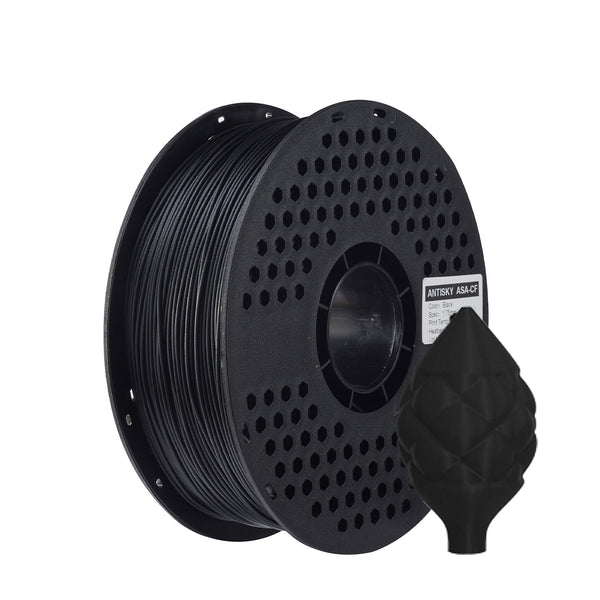
- Mechanical or heat-exposed parts, and you have an enclosed printer? → Choose ABS, or ASA if the part lives outdoors under UV.
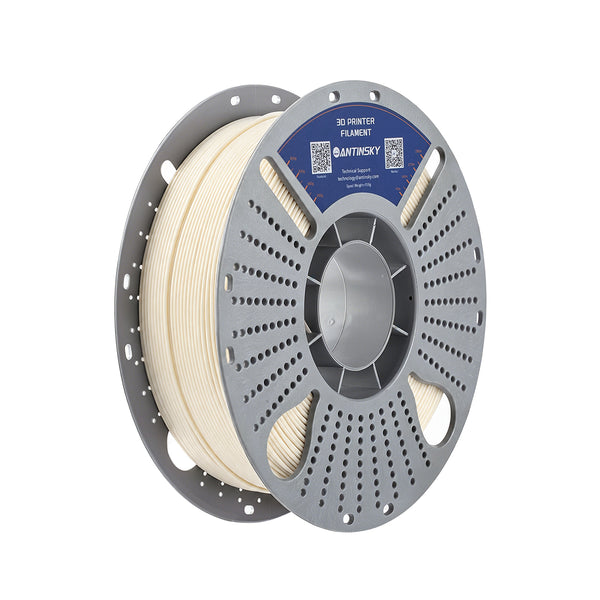
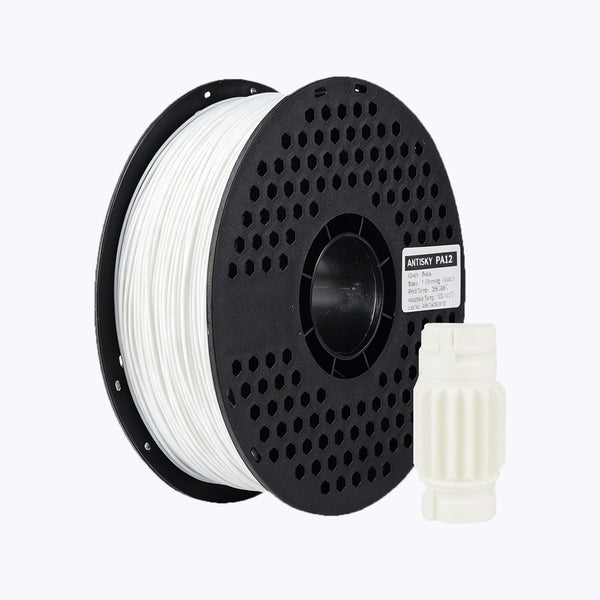
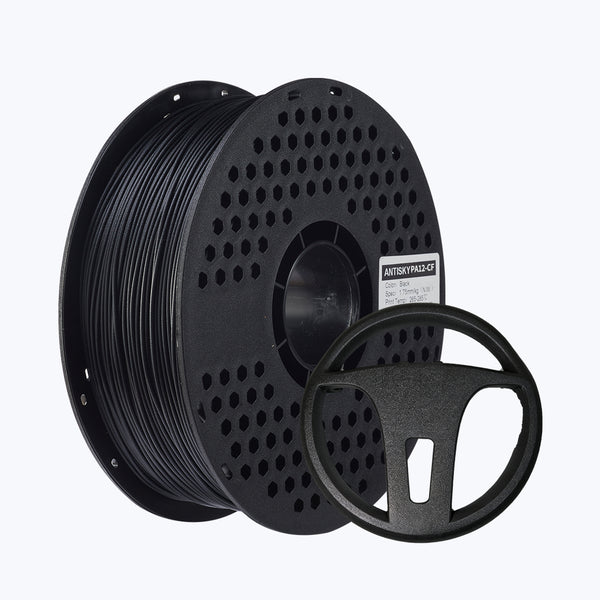
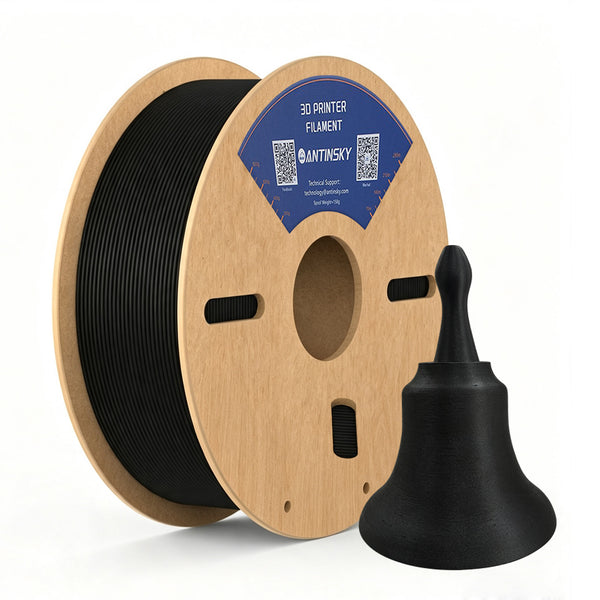
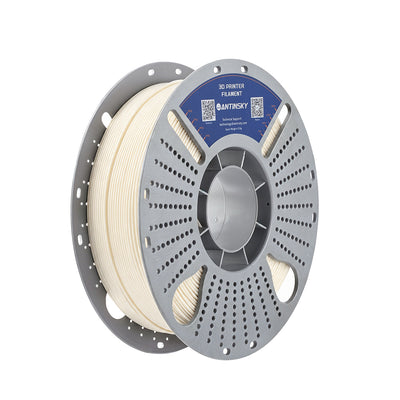
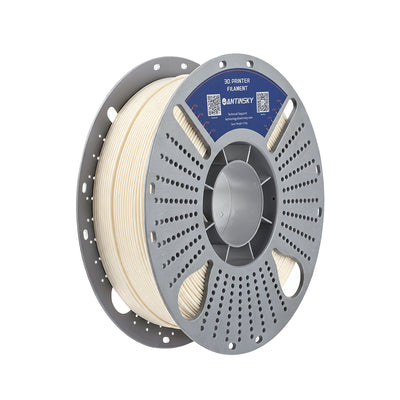
All ANTINSKY filaments are 1.75 mm (±0.02 mm), vacuum-sealed with desiccant, and wound on reusable spools – so you get consistent, bubble-free printing from the first meter to the last.