


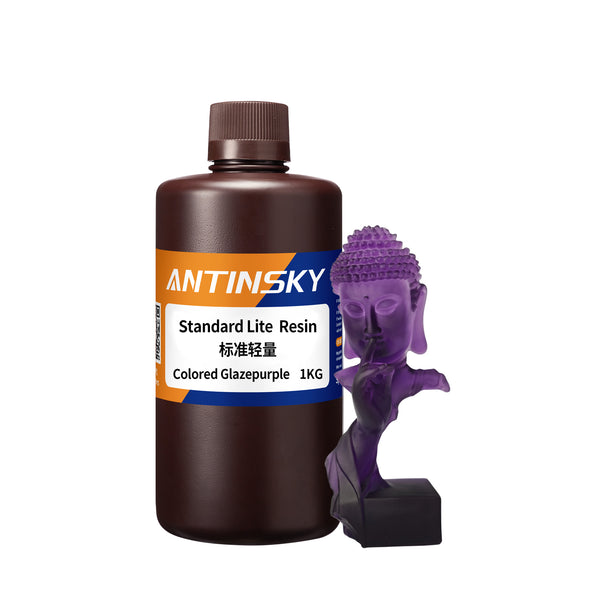
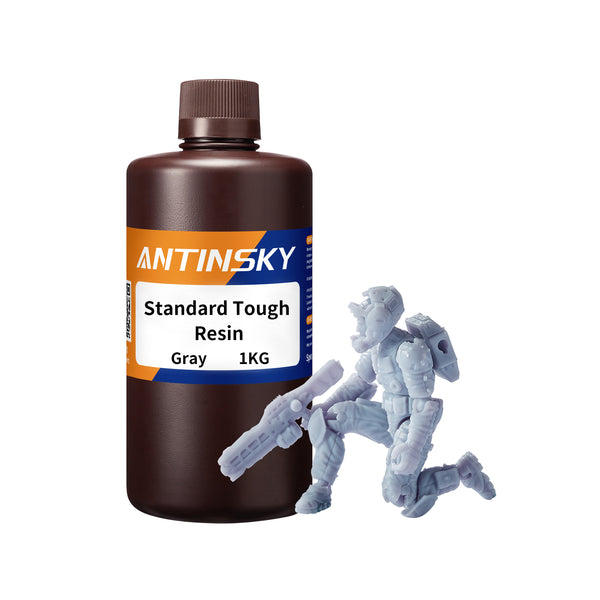
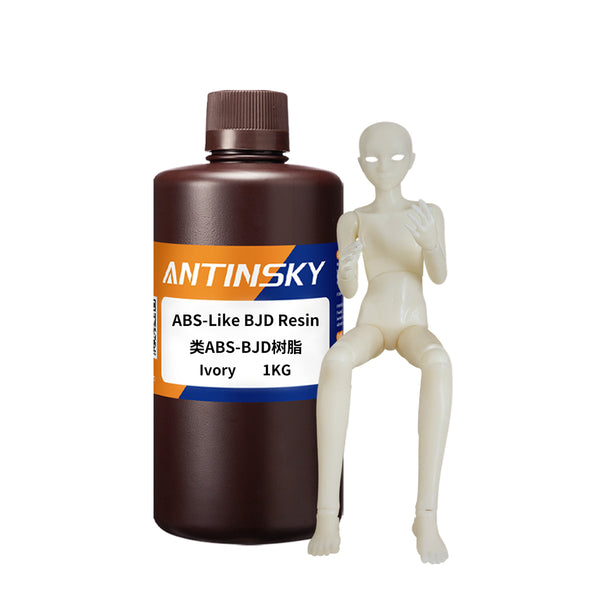

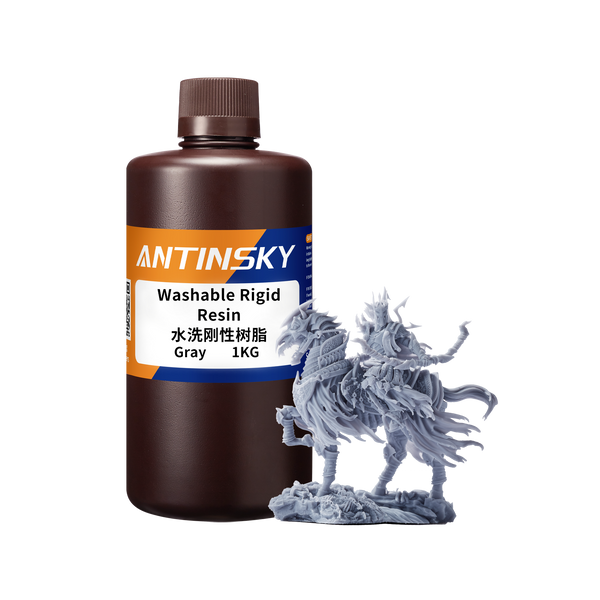
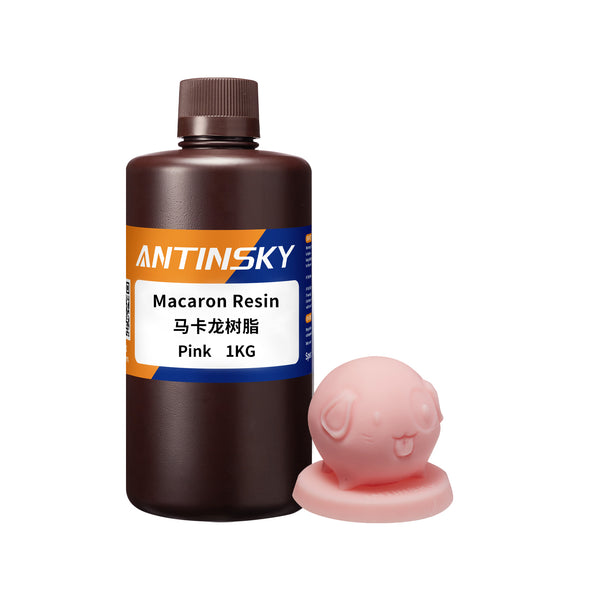
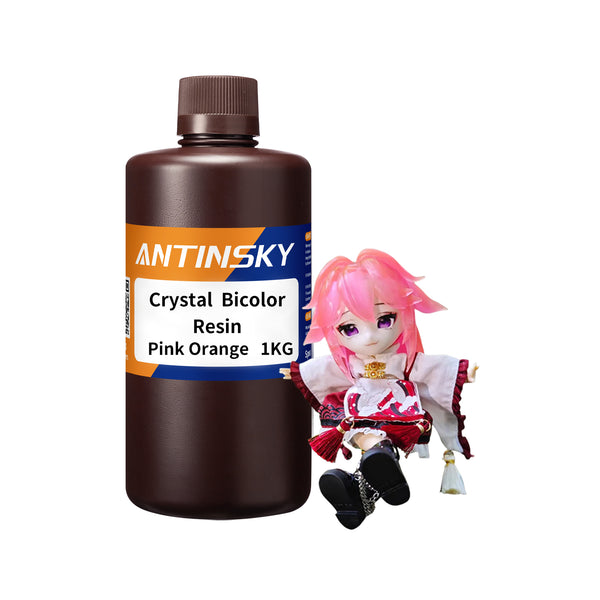
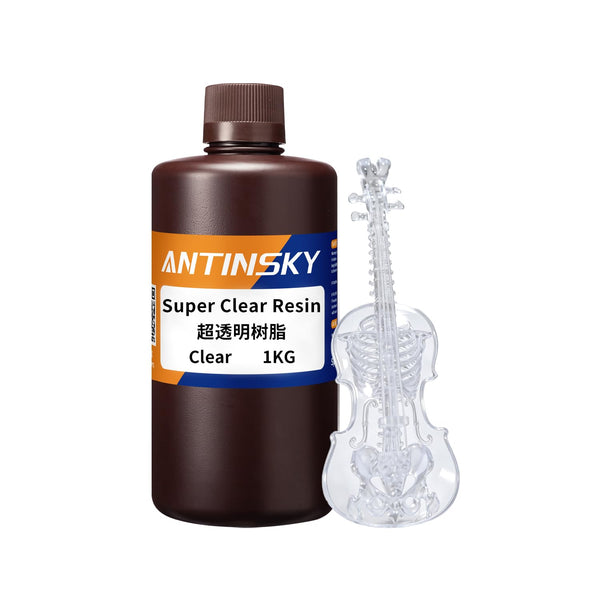
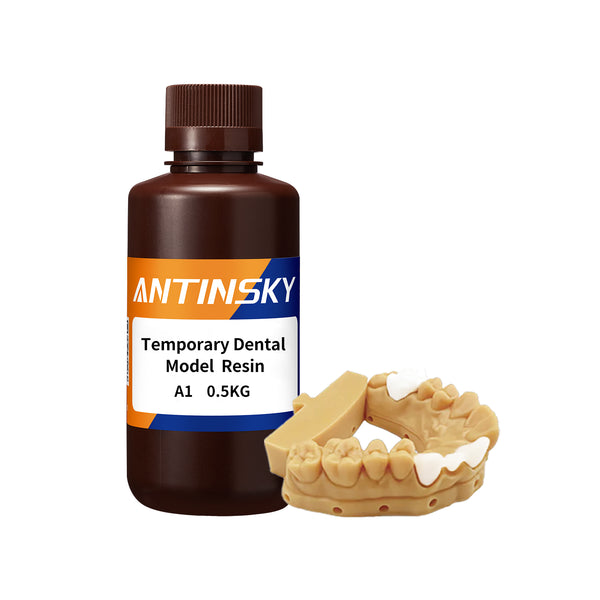




















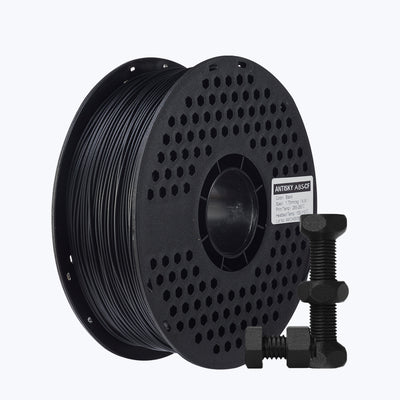
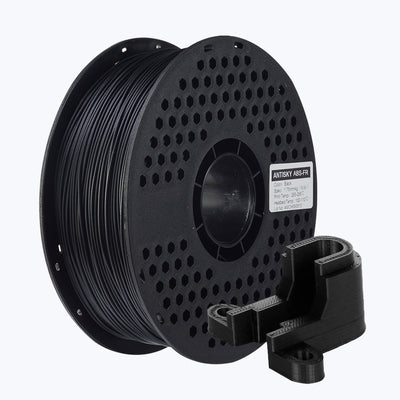
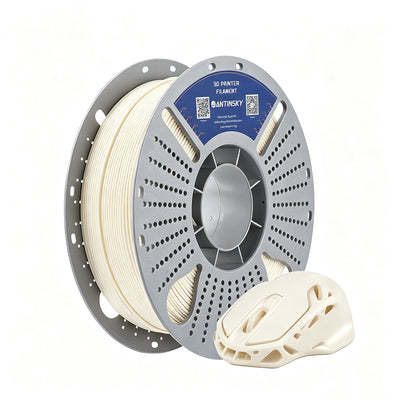
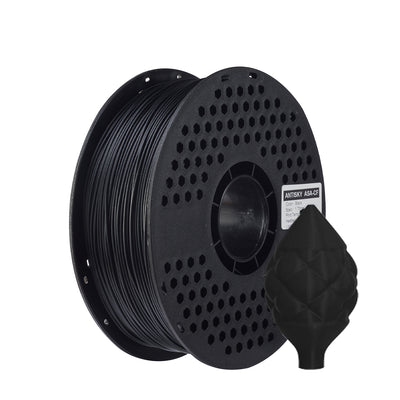




Resin or FDM? It is the first decision every 3D printing buyer makes, and it is usually made for the wrong reason — someone saw a beautiful miniature printed on a resin printer and bought one, then discovered they needed a functional bracket that a $200 FDM machine would have produced in twenty minutes for a tenth of the cost. Or the reverse: a workshop bought an FDM printer to make jewelry masters and learned the hard way that layer lines ruin a casting.
This guide compares the two processes on the things that actually decide part quality and cost: resolution, material properties, throughput, post-processing labor, and total cost per usable part. By the end you should be able to look at any part, print, or workflow and know which process fits — and when the right answer is to own both.
The Fundamental Difference
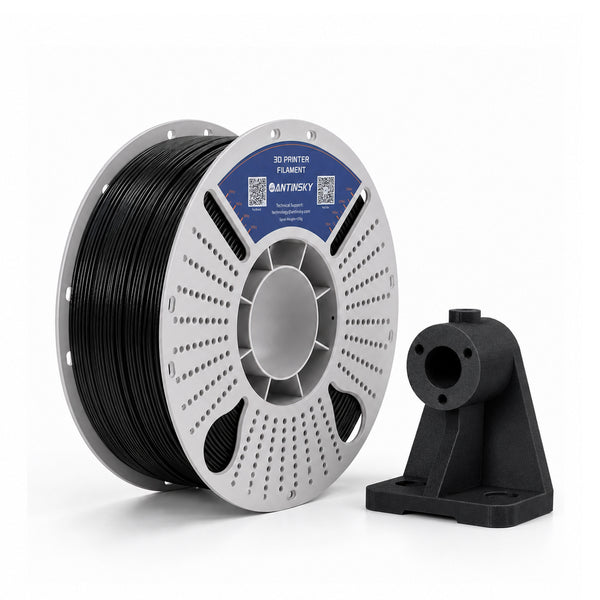
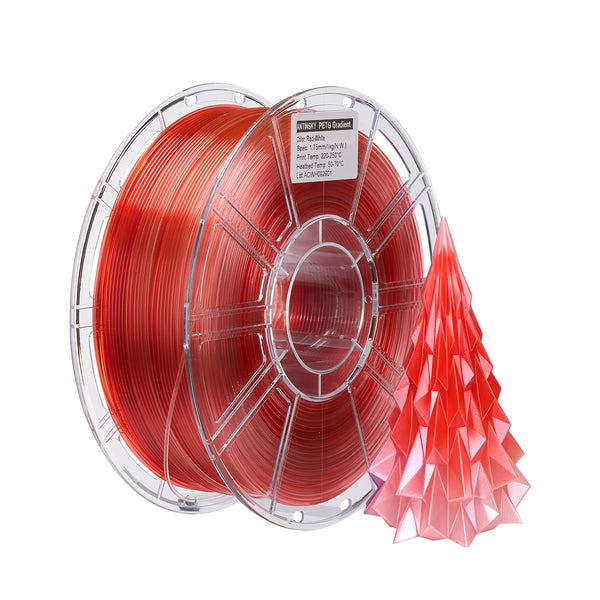
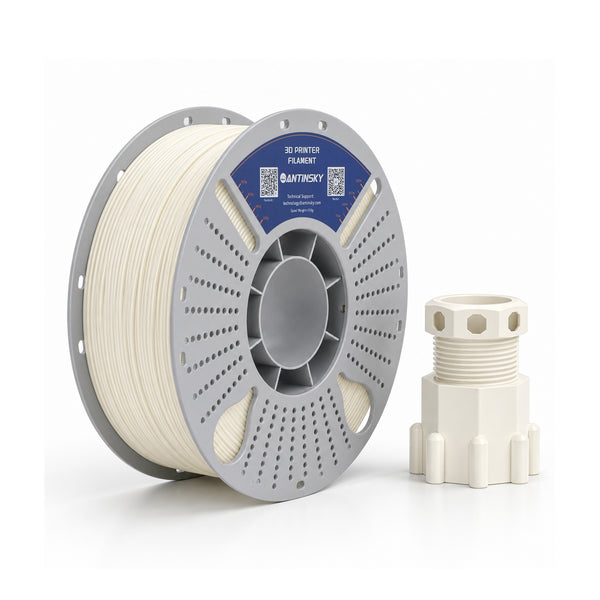
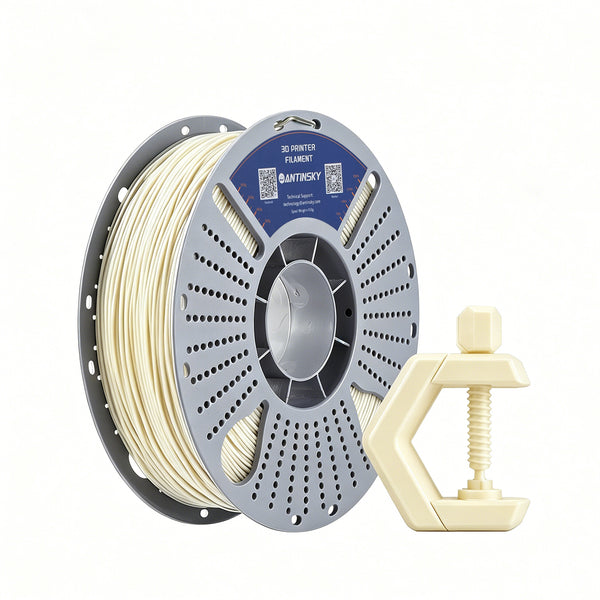
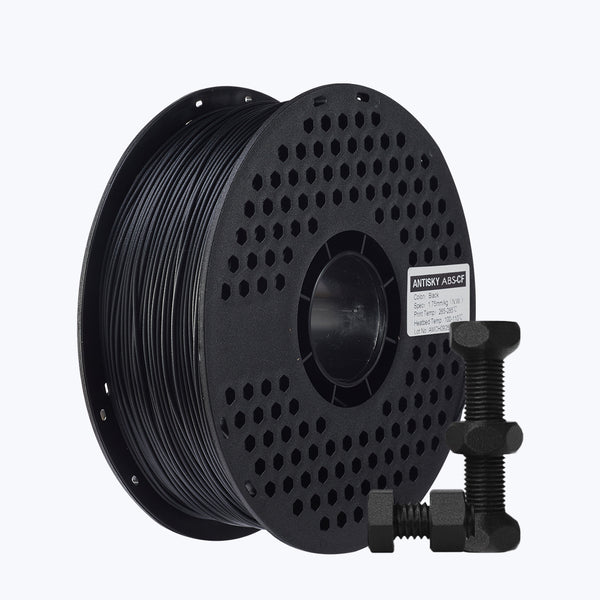
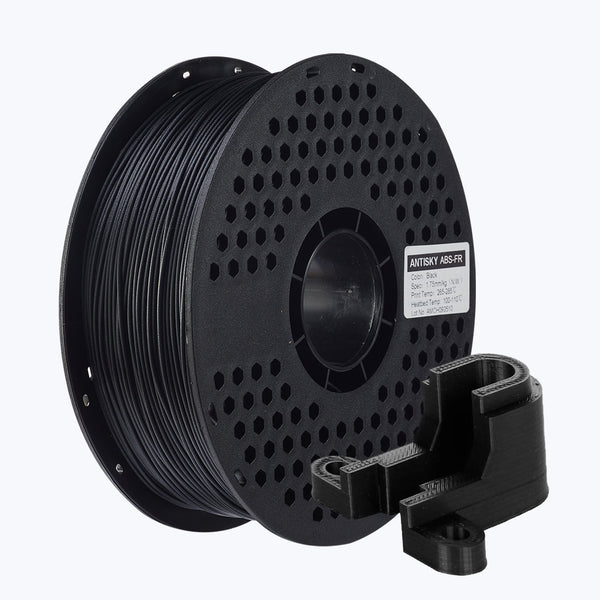
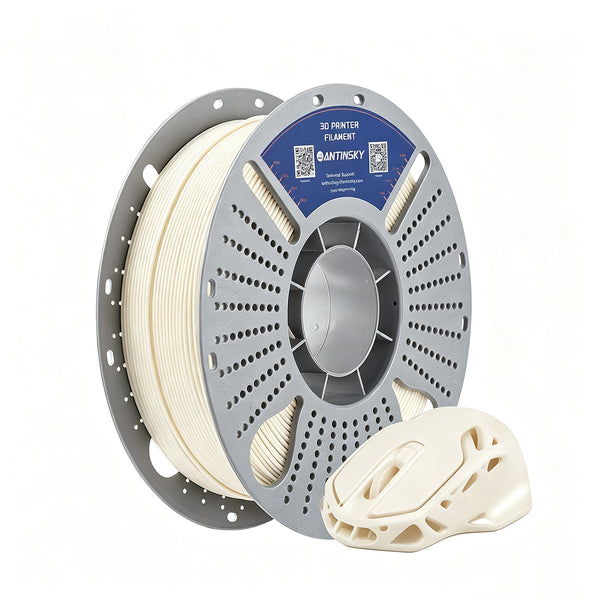
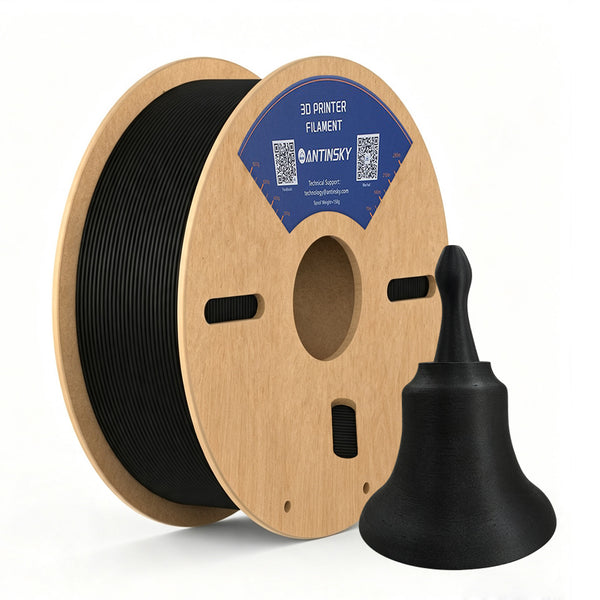
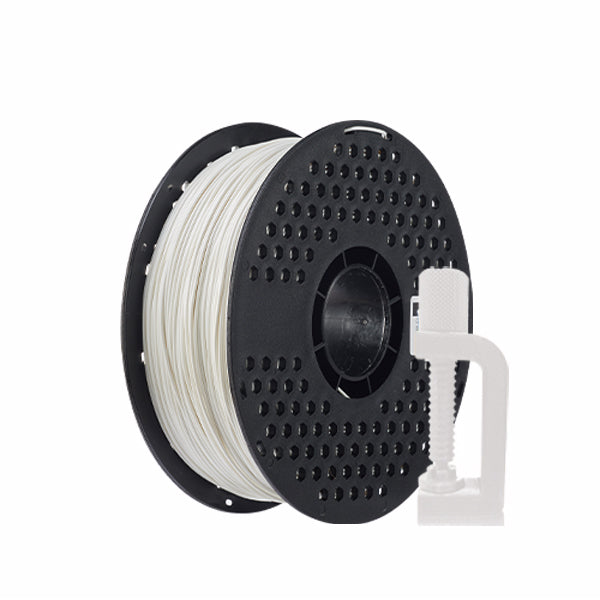
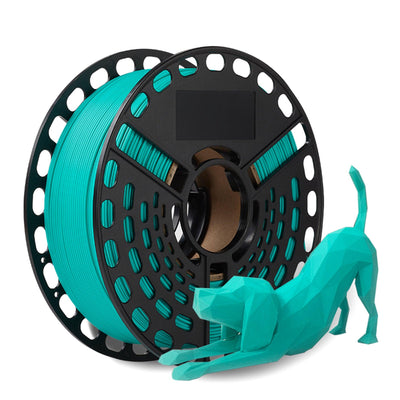
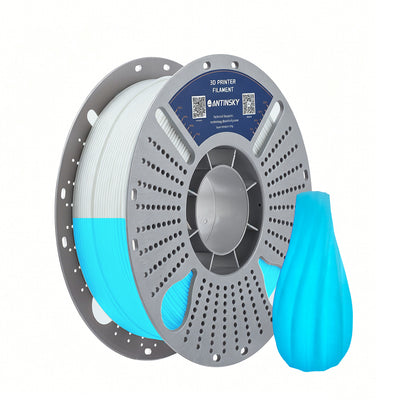
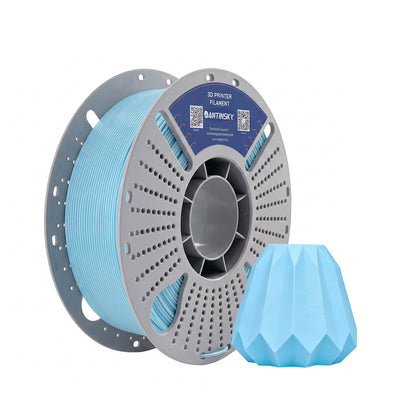
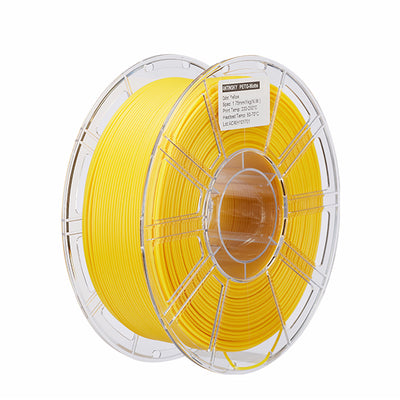
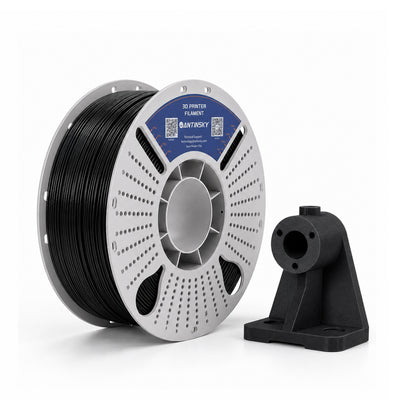
FDM (fused deposition modeling, also called FFF) melts a thermoplastic filament and extrudes it layer by layer. The material is already a plastic; the printer just reshapes it. That means the properties of your part are roughly the properties of the filament you bought — a PETG part behaves like PETG.
Resin printing (SLA, MSLA/LCD, DLP) cures a liquid photopolymer with UV light, layer by layer, in a vat. The material starts as a monomer/oligomer mixture and becomes a cross-linked thermoset polymer during printing. That means the final properties depend on the resin formulation and on how well you post-cure it. Under-cure a tough resin and you get a brittle part; over-cure it and you get a yellow, shrinking part.
The practical consequence: FDM is forgiving, resin is precise. FDM tolerates a bad slicer profile with stringing and rough corners. Resin tolerates almost nothing — exposure, temperature, and wash/cure discipline all show up in the finished part.
Resolution and Surface Finish
This is where the gap is widest and where most buying decisions are actually made.
| Metric | FDM (0.4 mm nozzle) | Resin (16K mono LCD) |
|---|---|---|
| Layer height | 0.10–0.30 mm typical | 0.01–0.05 mm typical |
| XY resolution | ~0.4 mm extrusion width | ~0.014–0.03 mm pixel pitch |
| Visible layer lines | Yes, especially on curves | Nearly invisible below 0.03 mm |
| Minimum feature | ~0.4–0.8 mm | ~0.1–0.2 mm |
| Surface as-printed | Matte, ridged | Glossy or matte, smooth |
| Typical post-processing | Support removal, light sanding | Wash in IPA, remove supports, cure, sand |
A well-tuned FDM printer at 0.12 mm layer height on a matte PLA can look very good on flat, boxy geometry. The moment you print an organic curve — a face, a figurine, a sculpted handle — the staircase artifact appears and no amount of tuning removes it. Resin handles those curves natively.
The inverse is also true: resin struggles with large flat panels. Suction forces on a big cross-section can distort or delaminate the part, and a 200 mm flat wall is far easier on FDM. Resin also cannot do bridging or overhangs beyond roughly 30–45° without supports, while FDM bridges horizontally in air.
Material Properties: What Each Process Can Actually Give You
| Property | FDM (filament) | Resin (photopolymer) |
|---|---|---|
| Best tensile strength | Very high — PA12-CF, PPA-CF, PC | Moderate to high — engineering resins |
| Impact resistance | Excellent (ABS, PETG, PA, TPU) | Good only with dedicated tough resins |
| Elongation | Up to 500%+ (TPU 85A) | Typically 5–30%, elastic resins higher |
| Heat resistance (HDT) | Up to ~150 °C+ (PPA-CF, PEI) | Up to ~200 °C+ (high-temp resins) |
| UV / outdoor stability | ASA, PETG, PA — good to excellent | Poor; most resins yellow and embrittle |
| Isotropy | Anisotropic — Z-layer weakness | Near-isotropic |
| Biocompatibility / dental | Not applicable | Class-certified dental and medical resins |
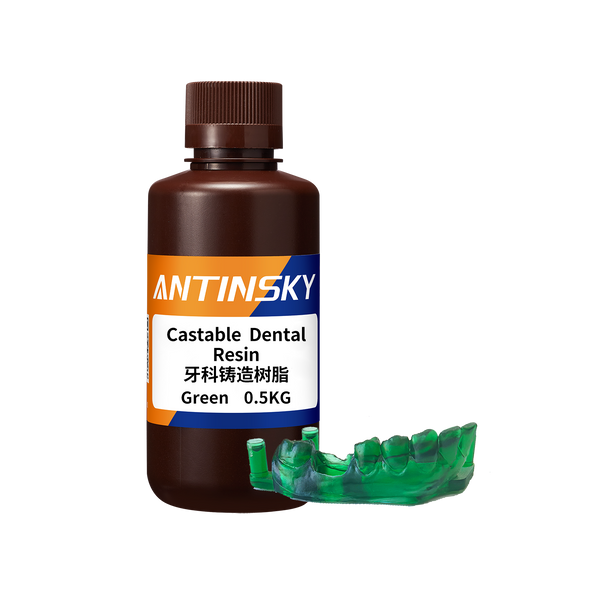
| Castability (lost wax) | Poor — ash residue | Excellent — dedicated castable resins |
| Optical clarity | Limited (clear PETG/PC, hazy) | Excellent (clear resin, polished) |
The anisotropy row is underappreciated. An FDM part loaded across layer lines can fail at 40–60% of its in-plane strength. If you are printing a load-bearing bracket, orientation matters as much as material choice. A resin part is cross-linked in all directions, so it fails more predictably — usually by cracking rather than delaminating.
Where resin genuinely cannot compete is long-term toughness in real-world abuse. Drop a resin enclosure on concrete and it chips or shatters. Drop an ABS or PETG enclosure and it bounces. If the part leaves the desk and meets the world, FDM thermoplastics are usually the safer bet.
Speed and Throughput
Both processes are slow in different shapes.
| Scenario | FDM | Resin |
|---|---|---|
| One small part, 20 mm tall | 15–30 min | 45–90 min (plus wash + cure) |
| Ten small parts, same build | 2–5 hours | 50–100 min (identical to one part) |
| Large 200 mm tall part | 8–20 hours | 6–15 hours |
| Change material | Swap spool, 1 min | Drain vat, filter, clean, 20–40 min |
| Hands-on labor per part | 2–5 min | 5–15 min |
Resin's secret weapon is the whole build plate. Because an LCD exposes an entire layer at once, printing one miniature and printing twelve takes almost the same time. If you need many identical small parts — 40 dental models, 20 rings, a batch of keycaps — resin wins on throughput decisively. If you need one large part or many different parts, FDM's spool swapping and no-post-processing advantage dominates.
Do not forget the labor. Resin post-processing — gloves, washing, support clipping, curing — is where resin shops lose money. Budget 10 minutes per part even in a well-organized workflow.
Cost Per Usable Part
| Cost element | FDM | Resin |
|---|---|---|
| Machine (capable hobby class) | $250–$600 | $250–$700 |
| Material per kg | $18–$60 (exotics higher) | $30–$120 |
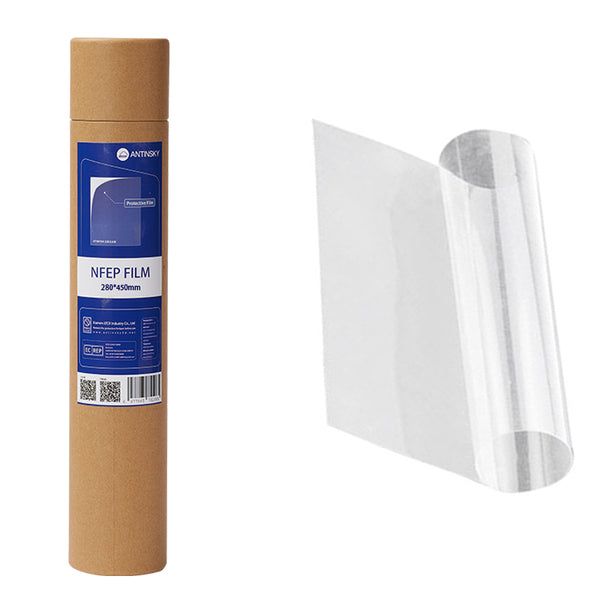
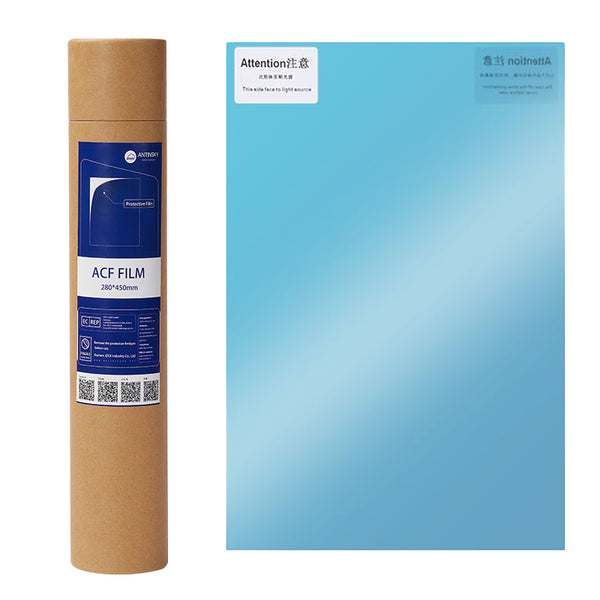
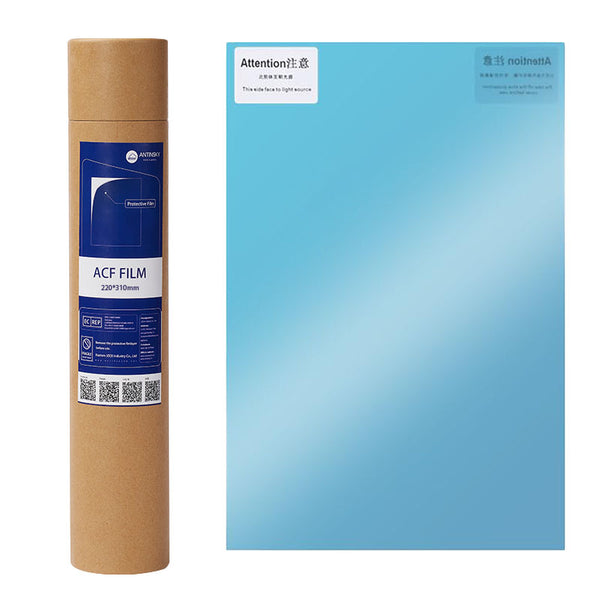
| Consumables | Nozzles, build plates | IPA, gloves, FEP/nFEP/ACF film, cure station |
| Wash & cure hardware | Not required | $80–$250 |
| Failed print cost | Low — a few grams | Higher — failed print still consumes resin and film life |
| Ventilation requirement | Recommended (ABS/ASA mandatory) | Mandatory — odor and skin sensitizers |
On pure material cost per gram, FDM is cheaper. On cost per acceptable part for a fine-detail object, resin often wins because the first print is the good print — no sanding, no filler primer, no reprint at a different orientation to hide layer lines.
Dimensional Accuracy
Both processes can hold ±0.1–0.2 mm on well-chosen geometry, but for different reasons. FDM error comes from extrusion width, shrink during cooling, and corner rounding; it is repeatable but geometry-dependent. Resin error comes from shrinkage during cure (0.5–3% linear), light bleed, and elephant-foot at the build plate.
For fit-critical work — a lid that must seat with 0.2 mm clearance, an insert that presses into a bore — resin is easier to calibrate because you can compensate shrink in the slicer with a single XY scale factor and it applies uniformly. For a large flat assembly that must bolt to a purchased part, FDM's dimensional predictability across a long axis is often better.
Where Resin Wins
- Miniatures and models — detail below 0.3 mm, no visible layers.
- Jewelry and casting — castable resins burn out cleanly; nothing in FDM comes close.
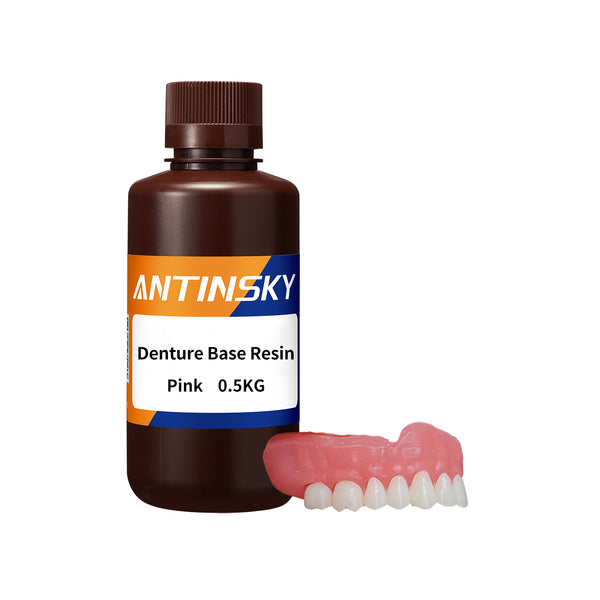
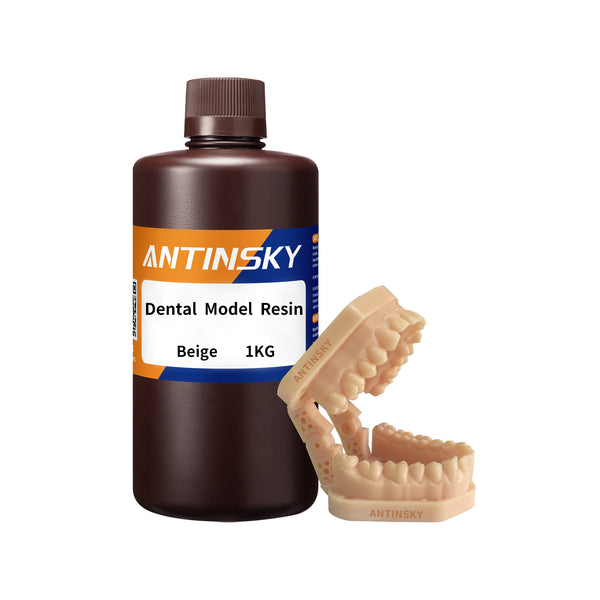
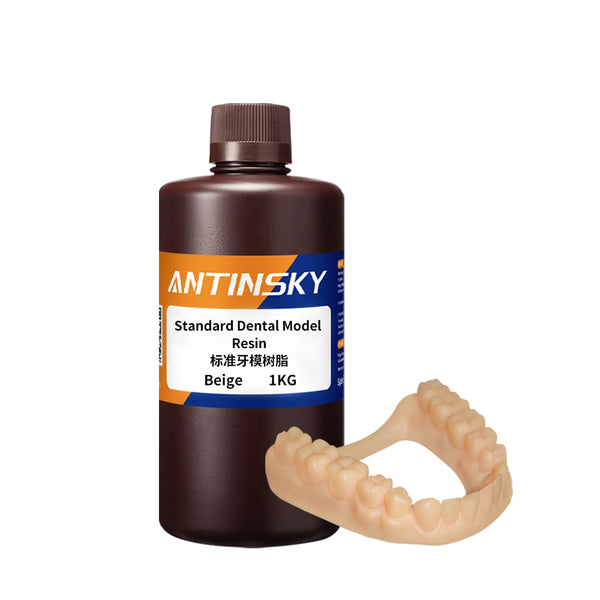
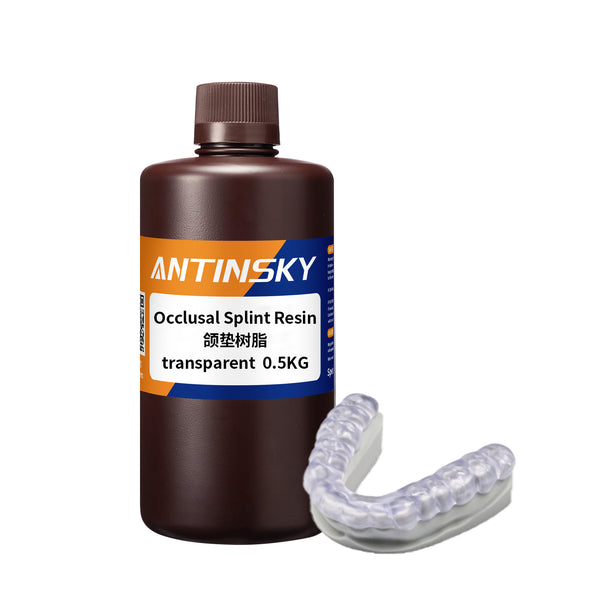
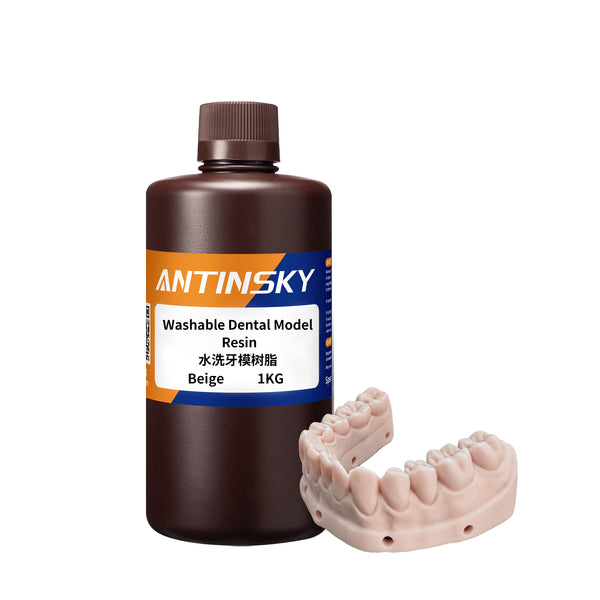
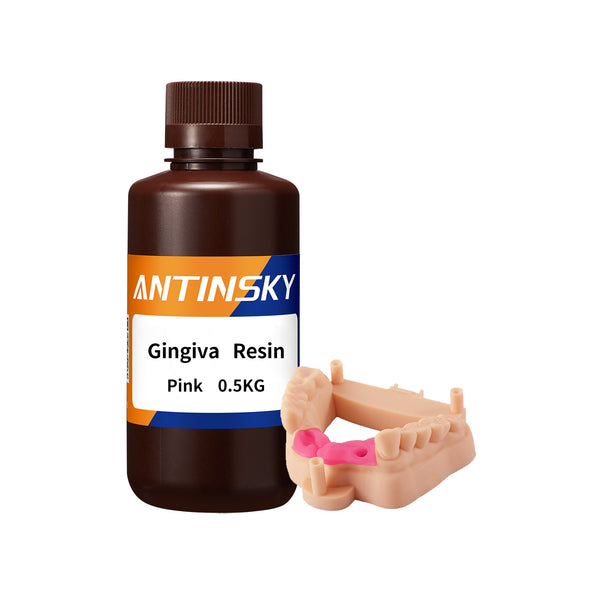
- Dental and audiology — certified biocompatible resins for models, splints, dentures, surgical guides.
- Clear and transparent parts — polished clear resin looks like glass; clear FDM never does.
- Batches of small identical parts — whole-plate exposure.
- Molds and masters — smooth surface transfers directly into silicone.
- Watertight, thin-wall hollow forms — consistent wall thickness without seams.
Where FDM Wins
- Functional and structural parts — brackets, jigs, fixtures, enclosures.
- Large prints — 256 mm+ cubes are routine on FDM.
- Tough, impact-resistant parts — ABS, PETG, PA, TPU.
- Outdoor and UV exposure — ASA is purpose-built for it.
- Flexible parts — TPU 85A–95A has no resin equivalent in durability.
- Fast iteration — no wash, no cure, no gloves.
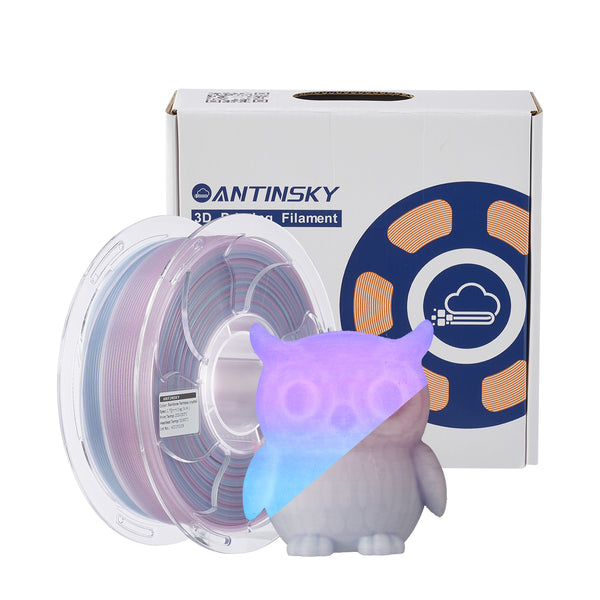
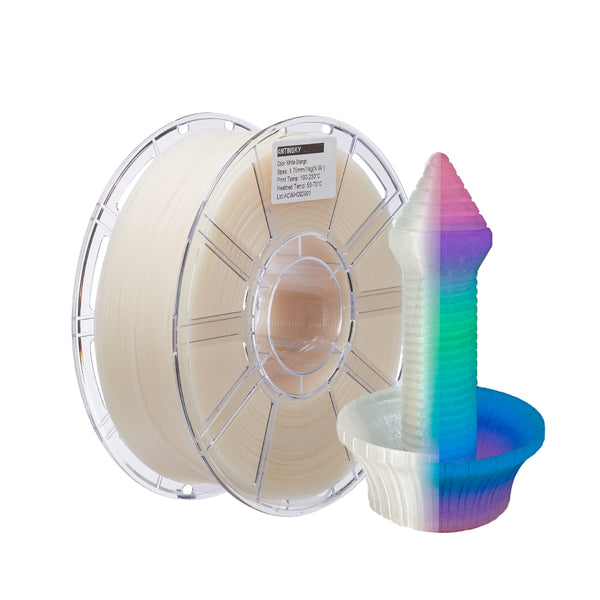
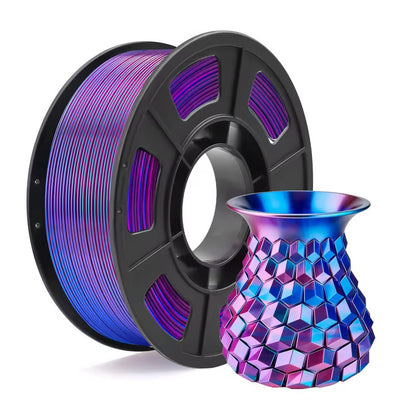
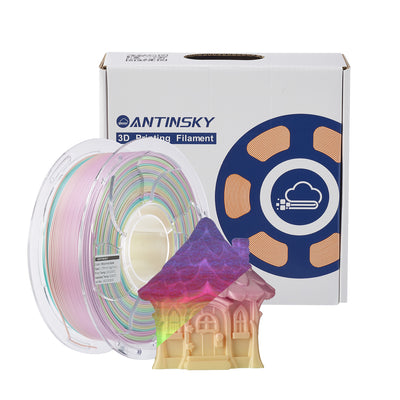
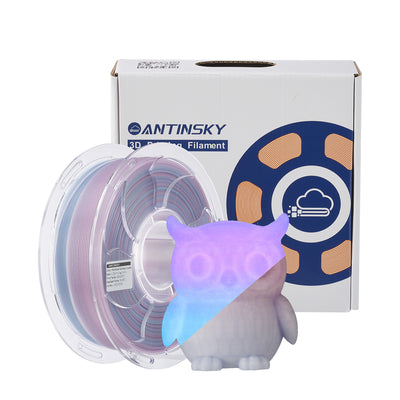
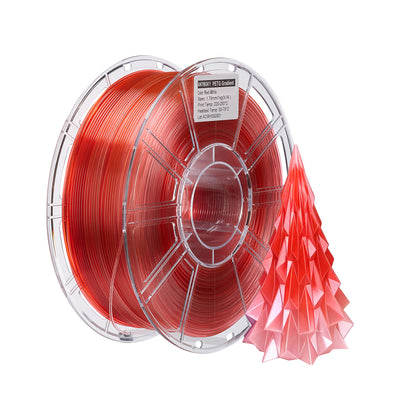
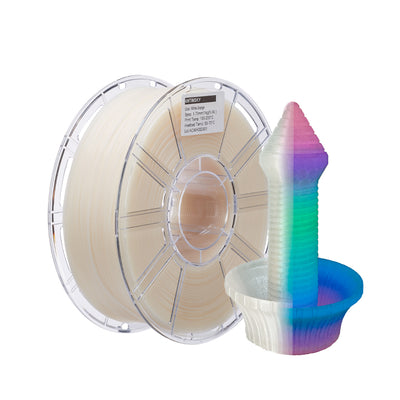
- Multi-material and color — AMS-style systems, silk, rainbow, glow, wood-fill.
- Low-fuss operation — leave it running, come back later.
Choosing a Resin if You Go That Route
Resin is not one material. The formulation decides almost everything, so match the resin to the failure mode you expect:
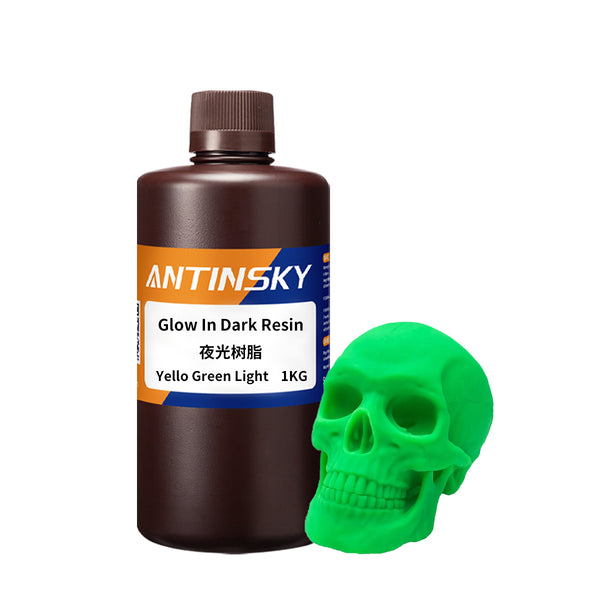
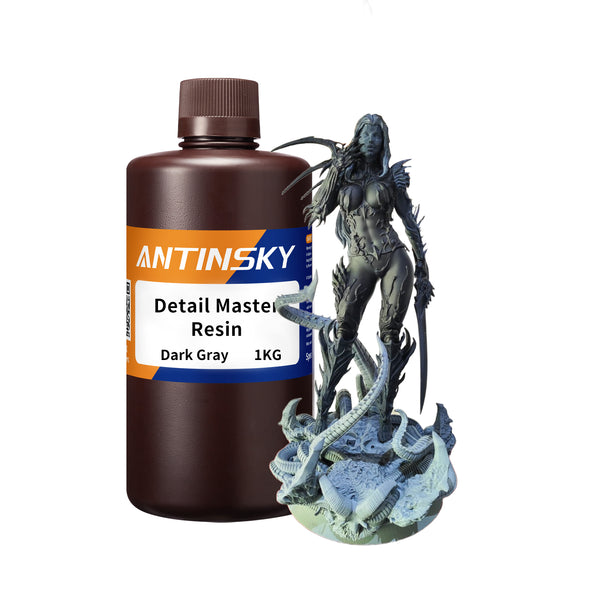
- General-purpose rigid — standard and 8K-class resins for display models and prototypes. Sharp detail, brittle in thin sections. See the Washable Rigid 8K Resin for a high-detail everyday option.
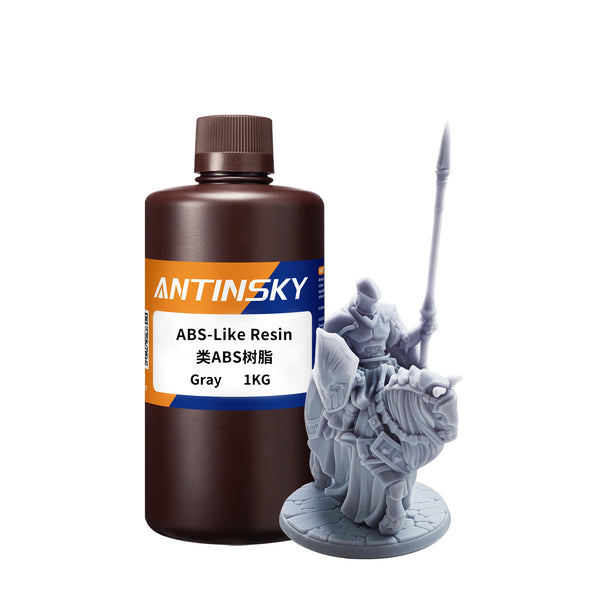
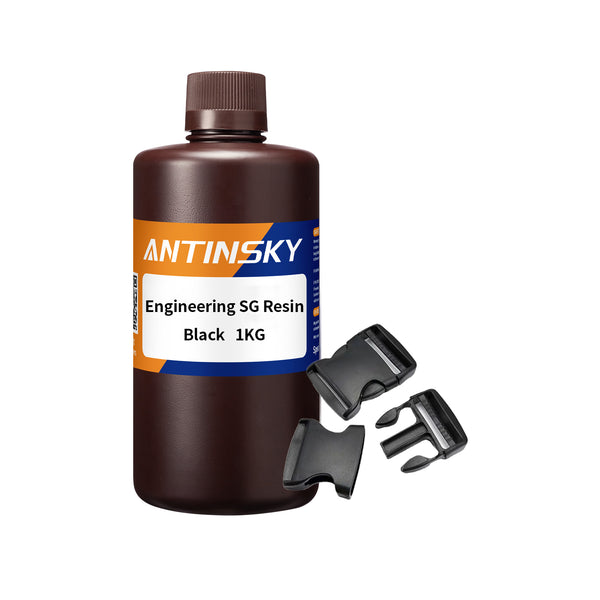
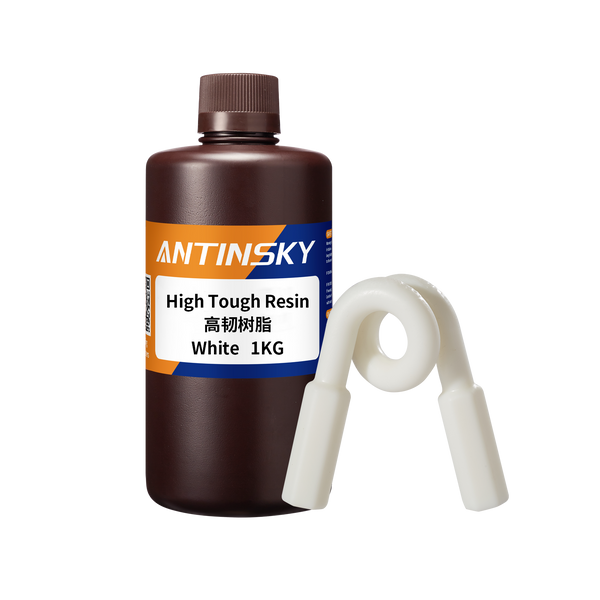
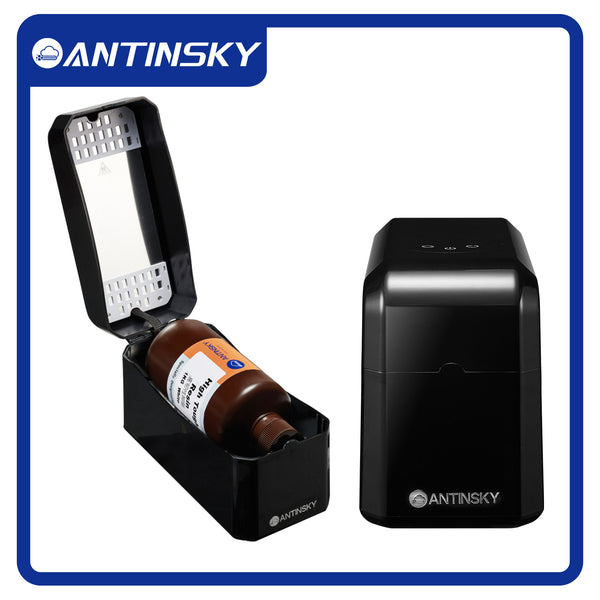
- Tough / ABS-like — for snap fits, clips, and housings that get handled. If your part has a living hinge or a press-fit boss, you need a tough resin, not a standard one — the High Tough Resin is the usual starting point.
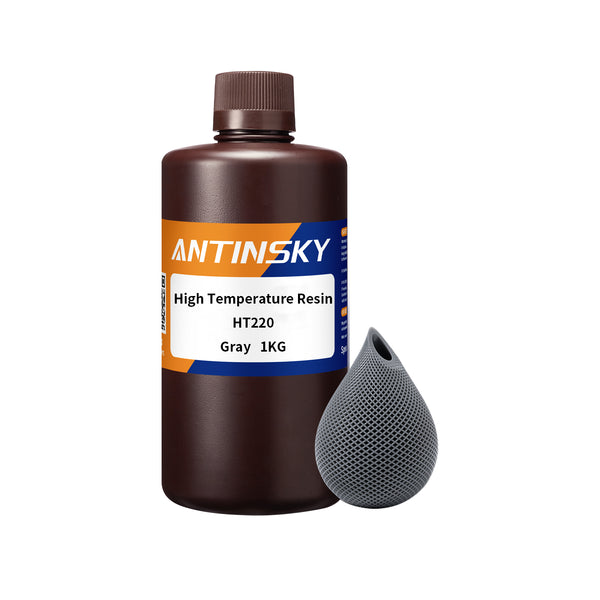
- High-temperature — for mold inserts, heat stakes, and anything near a soldering iron, such as the High Temperature Resin.
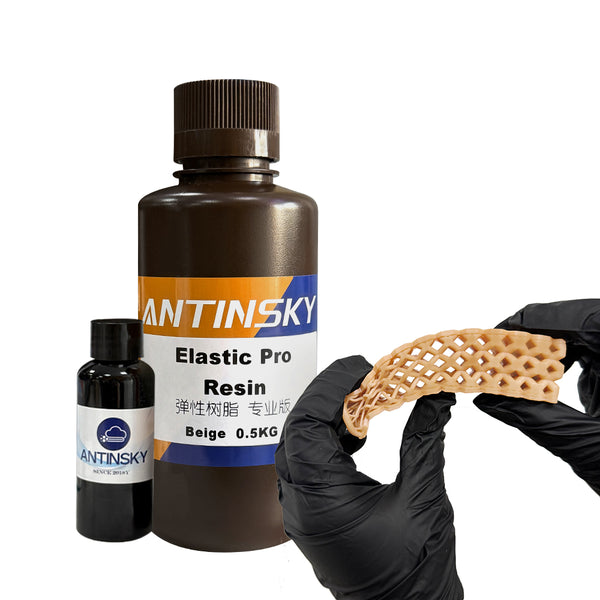
- Flexible / elastic — gaskets, grips, wearables. Lower hardness means more elongation but worse tear resistance.
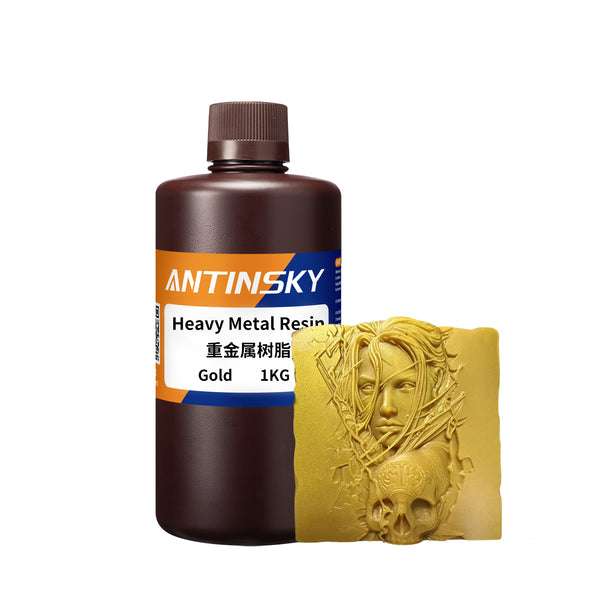
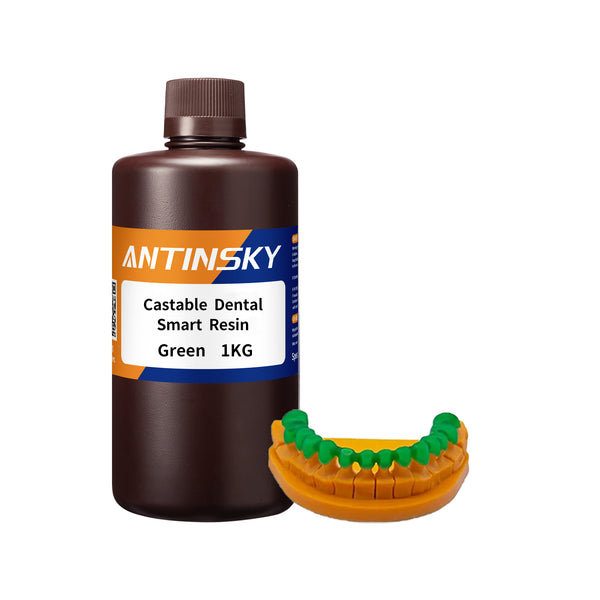
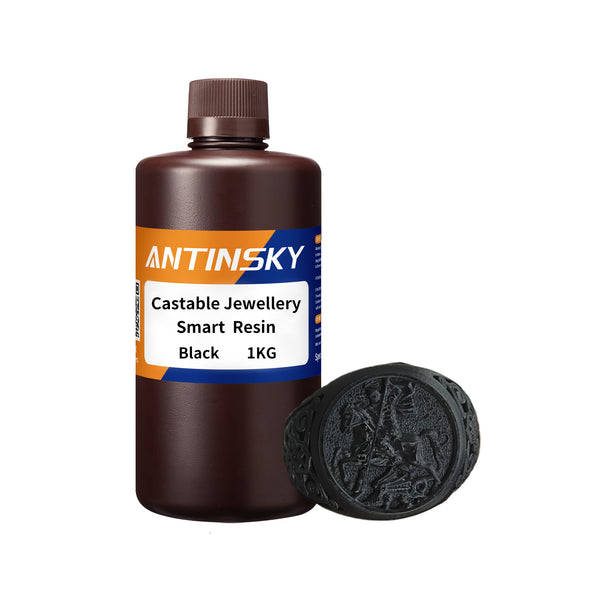
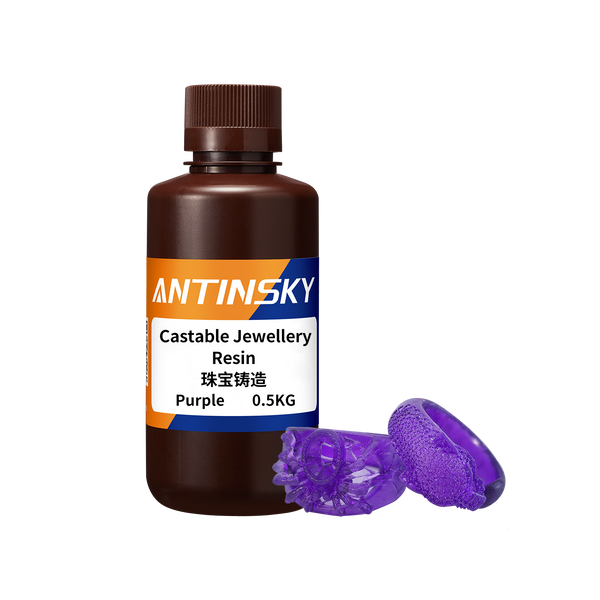
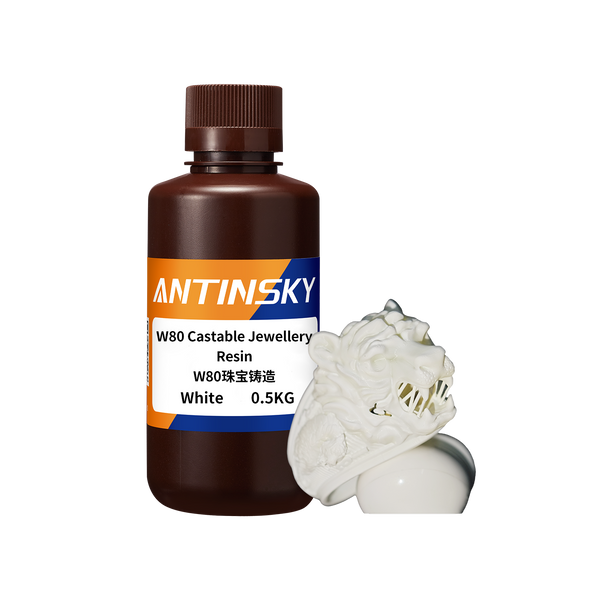
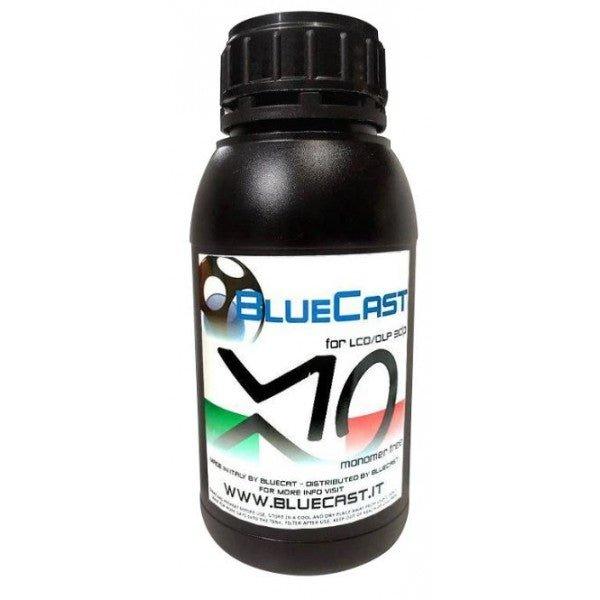
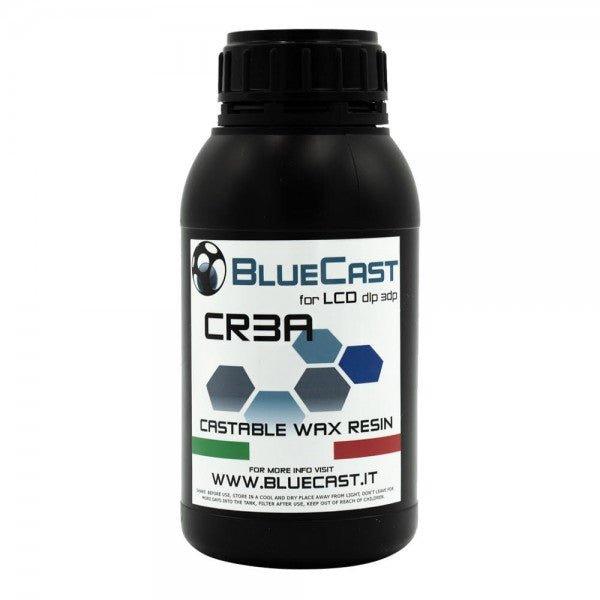
- Castable — jewelry and dental casting; ash-free burnout is the whole point.
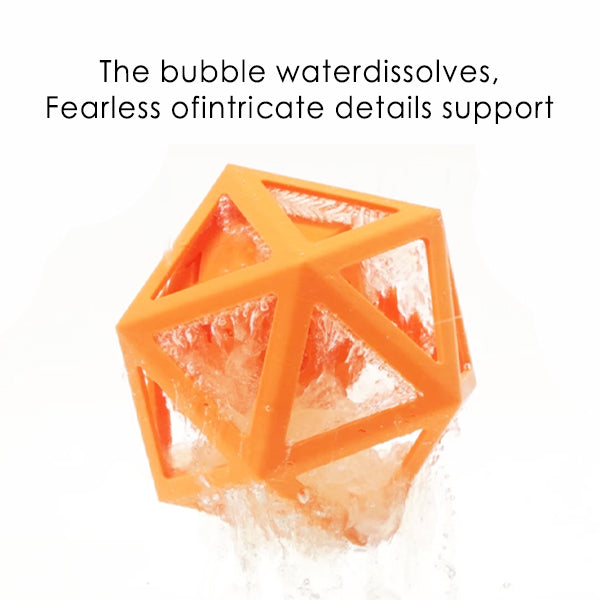
- Water-washable — convenience trade-off: no IPA supply chain, but parts are more moisture-sensitive and slightly less dimensionally stable long term.
Two rules that save money: never mix brands in one vat without draining and filtering first, and never trust a resin's published exposure time — run an exposure calibration ladder for every new bottle and every seasonal temperature swing.
The Hybrid Workflow Most Professionals Actually Use
The experienced answer is rarely "one or the other". It is:
- Resin for the visible, detailed, or cast part — the master, the model, the jewelry piece.
- FDM for the fixture that holds it — the jig, the mold box, the alignment frame, the test stand.
- FDM for the packaging and shipping insert — cheap, fast, and nobody inspects it.
A jewelry studio with one resin printer and one entry-level FDM printer can produce a castable master, a silicone mold box, and a shipping tray without sending anything out. That combination costs less than a single mid-range resin printer and removes the most common bottleneck in small-batch production: waiting on fixtures.
Safety and Workspace Reality
FDM with PLA is close to odorless and low-risk. FDM with ABS, ASA, PC, or PA produces VOCs and ultrafine particles — enclosure and filtration are not optional in a living space.
Resin is a different category. Uncured photopolymer is a skin sensitizer; repeated exposure without gloves causes allergic reactions that do not go away. You need nitrile gloves (not latex), eye protection, good ventilation, opaque storage bottles, and a defined waste path for IPA and cured resin debris. Never pour uncured resin or wash IPA down a drain. Cure waste resin solid in sunlight before disposal as hard plastic.
If you cannot provide ventilation and a wash/cure station with drainage discipline, choose FDM. This is not a preference — it is the difference between a hobby and a dermatology appointment.
Decision Framework
| If your part is… | Choose |
|---|---|
| A display model or miniature | Resin |
| A bracket, jig, or enclosure that takes load | FDM |
| Jewelry, castable, or burnout-critical | Resin (castable) |
| Dental or medical model | Resin (certified) |
| Larger than 200 mm in two axes | FDM (usually) |
| Flexible, rubber-like | FDM TPU |
| Transparent and polished | Resin (clear) |
| Outdoor, UV-exposed | FDM ASA |
| 50+ identical small parts | Resin |
| Different geometry every day | FDM |
FAQ
Is resin printing stronger than FDM?
Not in general. A tough engineering resin can beat standard PLA, but ABS, PETG, PA12-CF, and PPA-CF out-perform most resins in impact and tensile strength. Resin wins on isotropy and detail, not on raw toughness.
Can I print functional mechanical parts in resin?
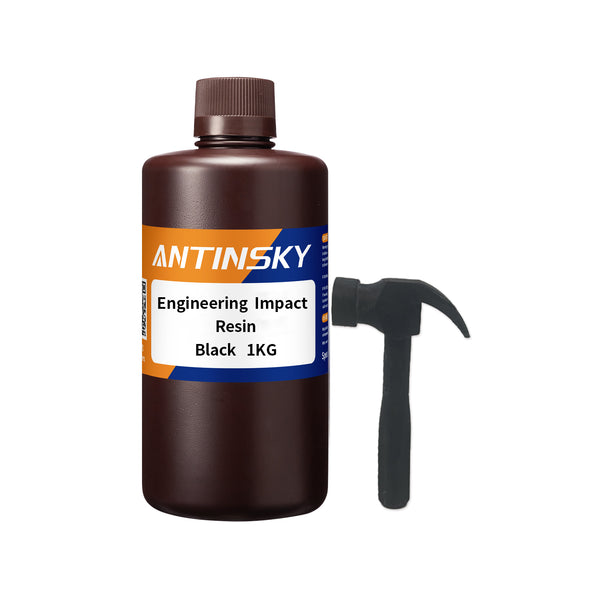
Yes, with the right resin — high-tough, engineering, or ABS-like formulations. Avoid standard display resin for anything that flexes, snaps, or threads. Metal inserts and thicker walls help considerably.
Why do my resin prints crack after a few weeks?
Almost always incomplete post-cure or residual IPA trapped in the part. Cure fully, let parts dry completely before curing, and avoid over-curing thin sections, which makes them brittle.
Do I need a wash and cure station?
You can wash in two IPA baths and cure in sunlight, but a station makes results repeatable. Repeatability, not convenience, is the real reason to buy one.
How much does a resin print cost compared to FDM?
Material cost is usually similar to slightly higher per gram. The real difference is consumables — gloves, IPA, and release film — plus post-processing labor. Budget roughly 1.5–2× the FDM cost per finished part for small objects.
Which is better for beginners?
FDM, almost always. It is more forgiving, needs no chemicals, and teaches you slicing fundamentals. Move to resin when a specific project demands detail that FDM cannot deliver.
Can resin prints be used outdoors?
Briefly. Most photopolymers yellow and embrittle under UV. Coat with UV-blocking clear coat for short outdoor use; choose ASA on FDM for permanent outdoor parts.
Do I need an enclosure for resin printing?
You need ventilation and temperature stability. An enclosure with carbon filtration helps with odor, and keeping the vat at 25–30 °C dramatically improves print consistency in cold rooms.
The Short Version
Choose FDM when the part must survive the real world: load, impact, UV, size, and speed of iteration. Choose resin when the part must look like the design: fine detail, smooth surface, casting, clarity, or a certified dental/medical application. If you are building a business around printed parts rather than printing as a hobby, plan for both — the fixture work always ends up on the FDM machine anyway.
Whichever you pick, buy the consumables before the printer. Film, IPA, gloves, nozzles, and a dryer are what turn a working machine into a reliable one.