























Best 3D Printer Resin in 2026: The Complete Buyer's Guide
Resin 3D printing produces detail that FDM printers simply can't match — jewelry, dental models, miniatures, and engineering parts with razor-sharp features. But with dozens of resin types on the market, choosing the right one is confusing.
This buyer's guide breaks down every resin category, what it's actually used for, and how to pick the right one for your project.
How to Choose a 3D Printer Resin
Start with three questions:
- What am I printing? — Jewelry? Dental models? Functional prototypes? Miniatures?
- What properties do I need? — Flexibility, heat resistance, castability, translucency?
- What's my printer? — Most resins work on any LCD/DLP printer at 385–405 nm, but check compatibility.
The 8 Resin Categories Explained
1. Standard Resin — The Everyday Workhorse
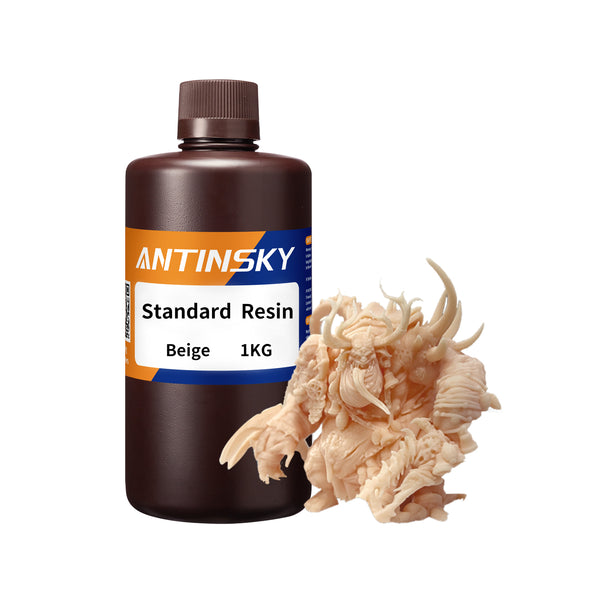
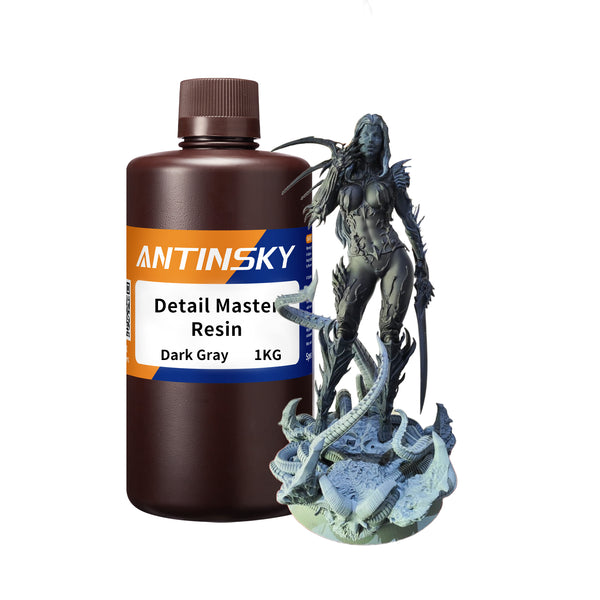
Standard resins are the most affordable option and perfect for models, miniatures, and visual prototypes. They print fast, capture fine detail, and come in a wide range of colors. The trade-off: they're brittle and not suited for functional parts.
Best for: Miniatures, figurines, visual prototypes
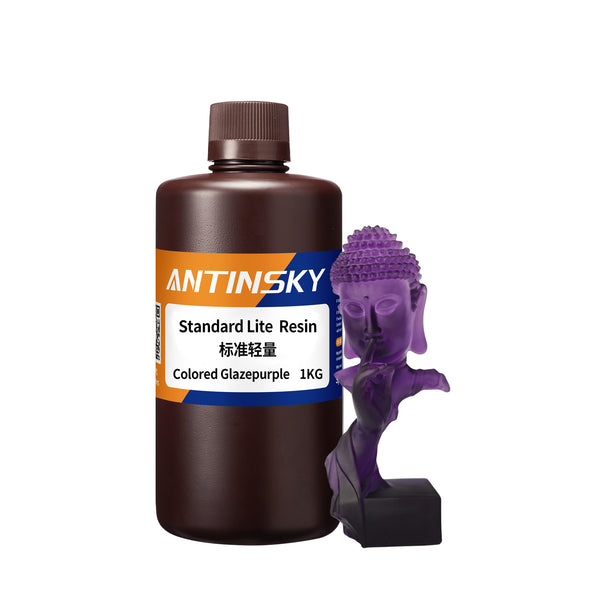
Example: ANTINSKY Standard Lite Resin — 5 stunning translucent colors, great value per gram
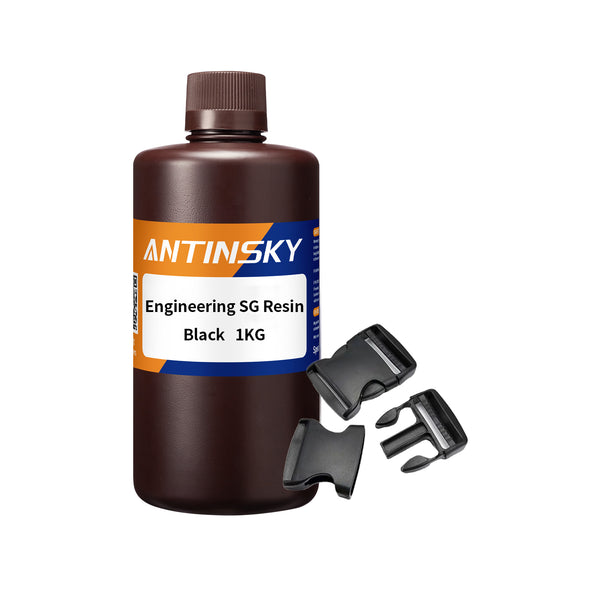
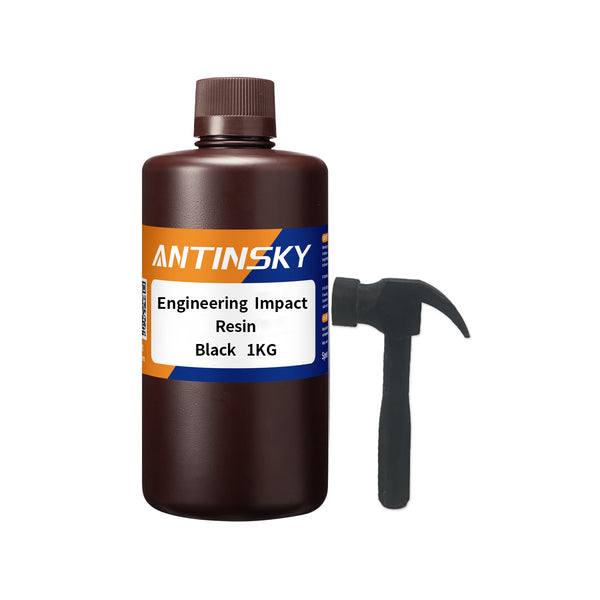
2. Tough & Durable Resin — Functional Parts
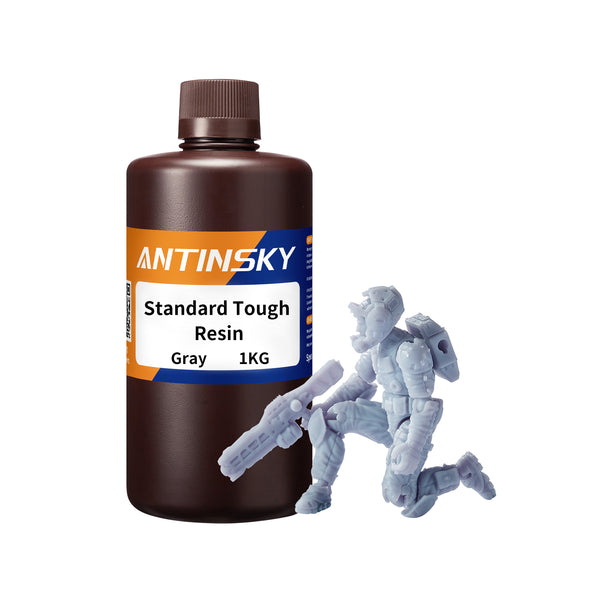
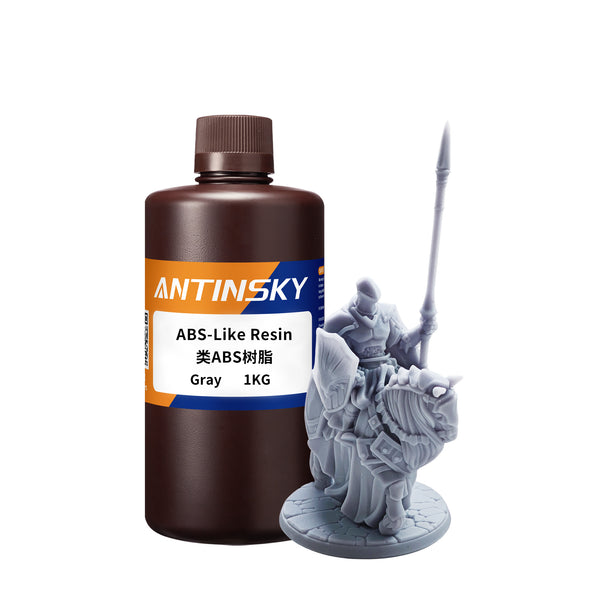
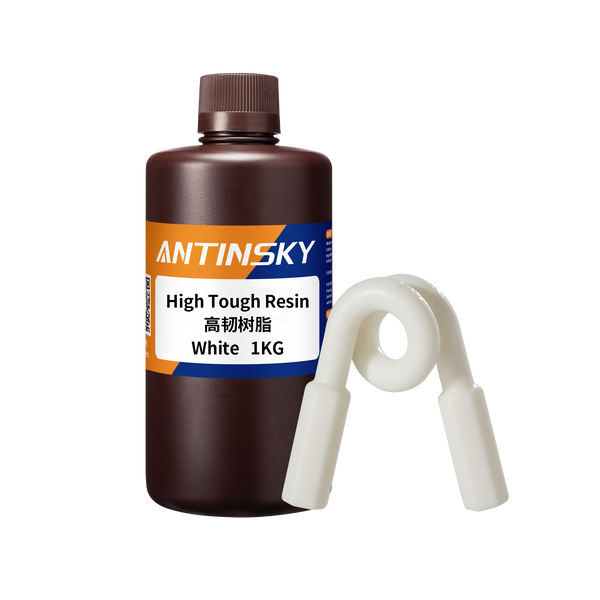
Engineered resins add impact resistance and flexibility, bridging the gap between resin detail and ABS-like toughness. They're the choice for snap-fit parts, functional prototypes, and anything that gets handled.
Best for: Functional prototypes, mechanical parts, RC components
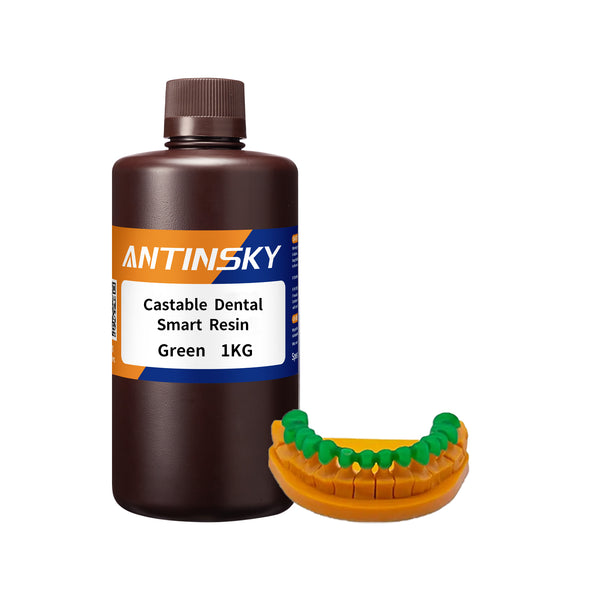
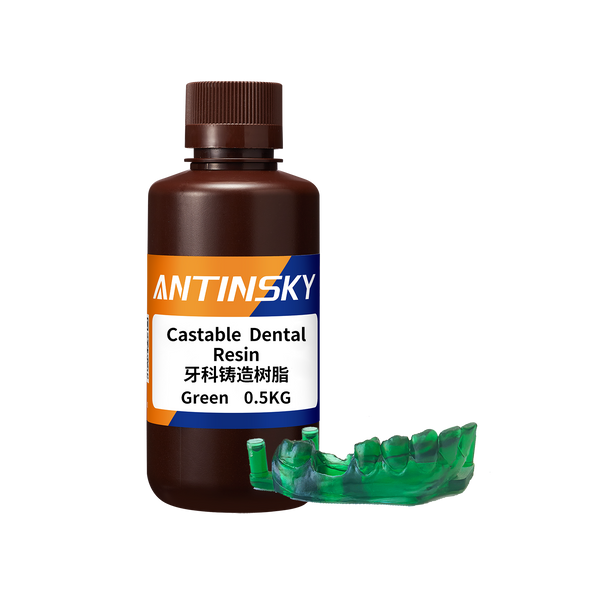
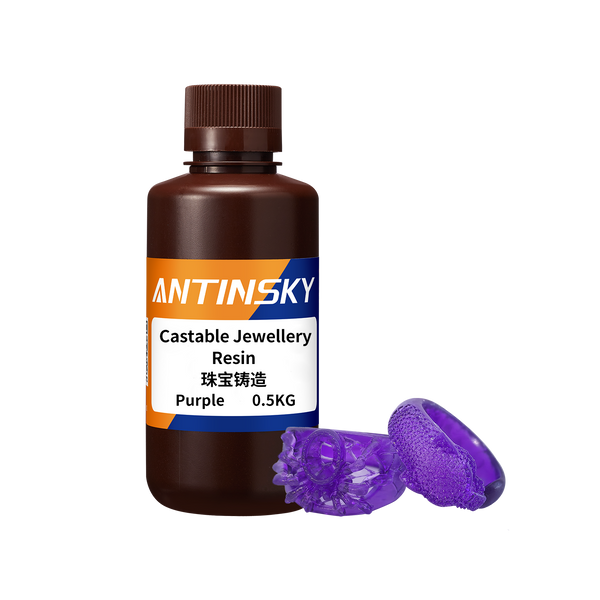
3. Castable Resin — Jewelry & Investment Casting
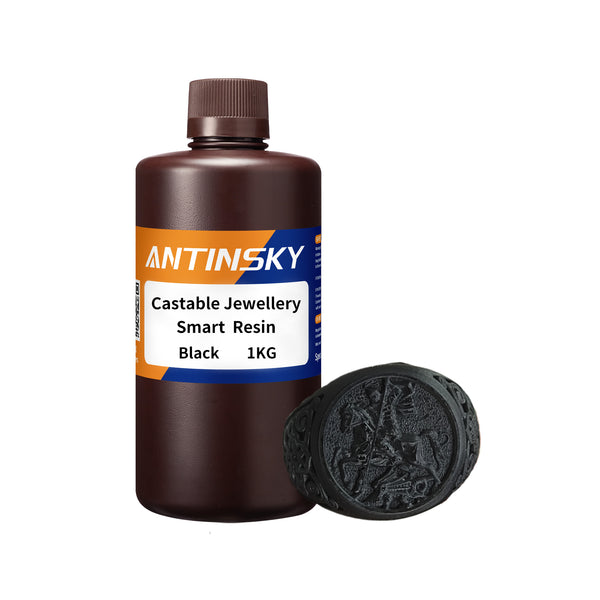
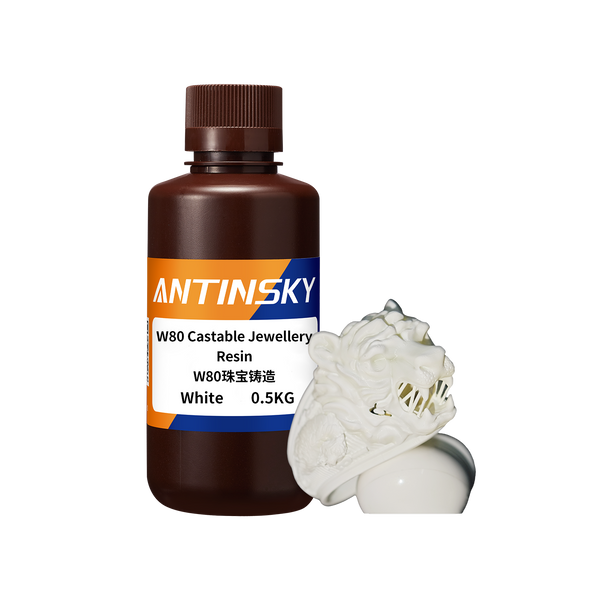
Castable resins burn out cleanly with minimal ash, making them the standard for lost-wax investment casting. They're the backbone of the jewelry industry — wax patterns printed in resin, then cast into precious metals.
Best for: Jewelry masters, rings, pendants, dental casting
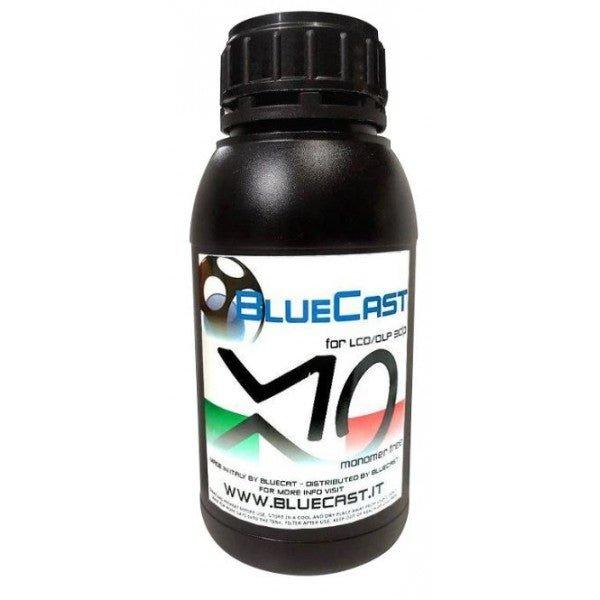
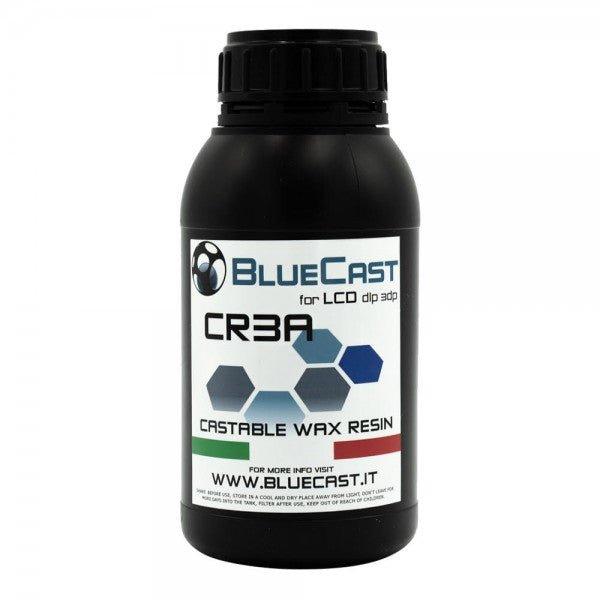
Example: ANTINSKY Castable Jewellery Resin and BlueCast X-WAX — the industry favorite for mono LCD/DLP jewelry printers
4. Dental Resin — Precision & Biocompatibility
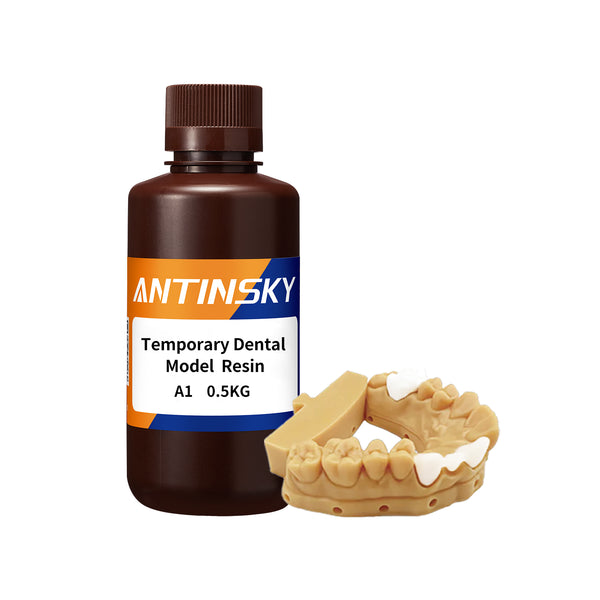
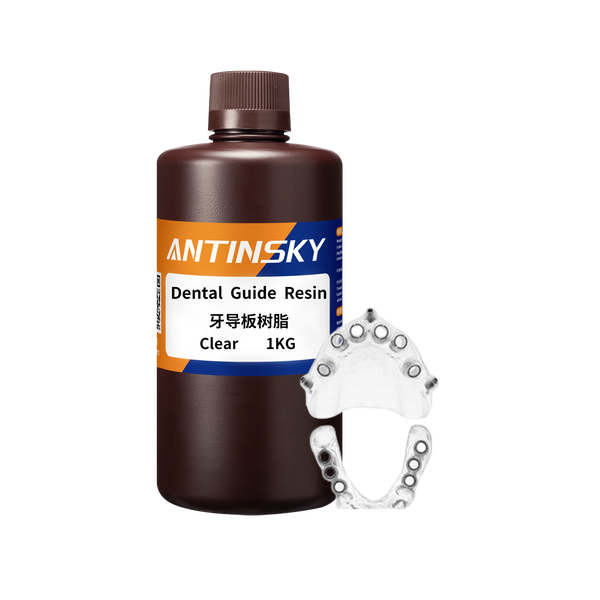
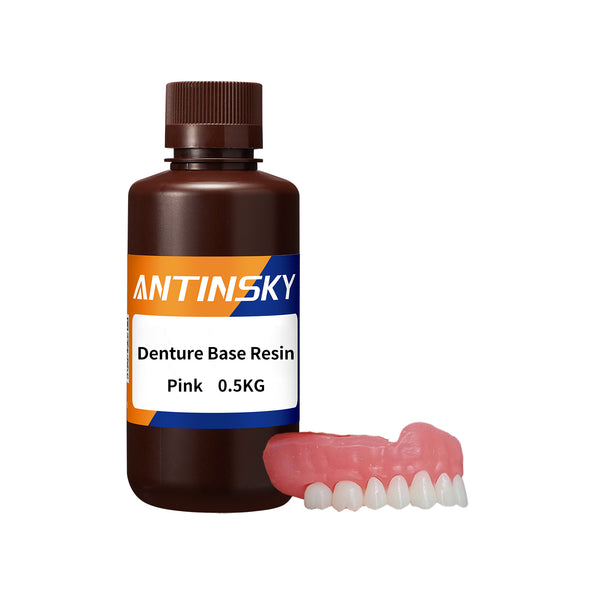
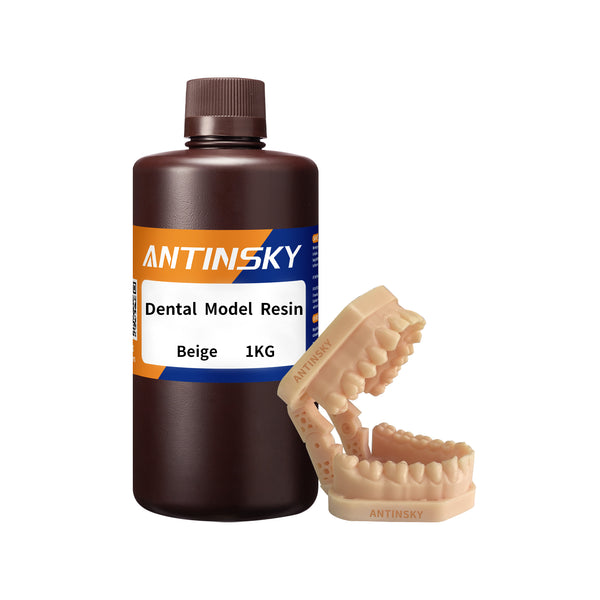
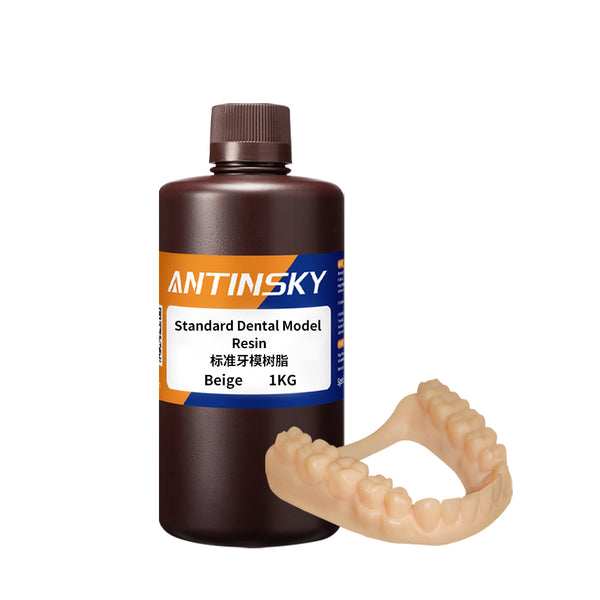
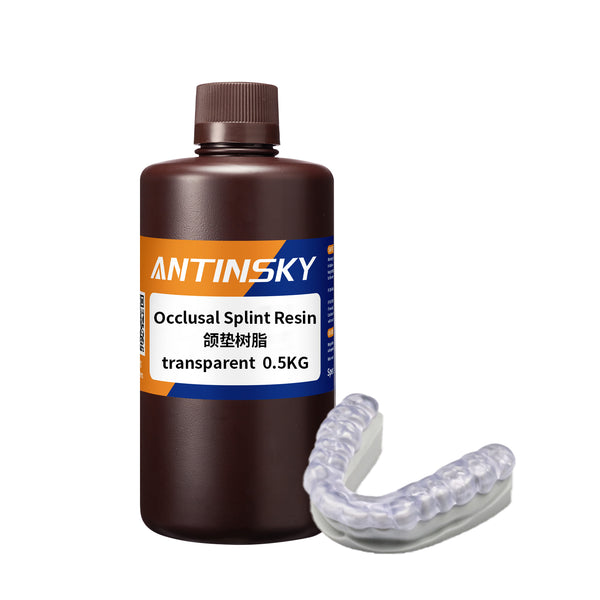
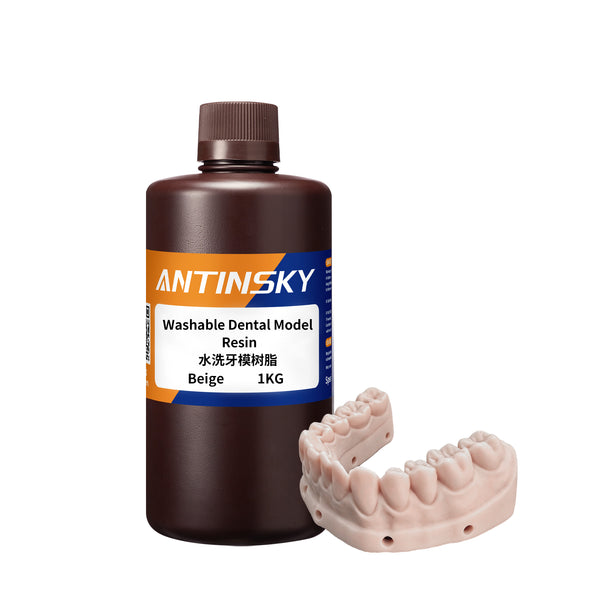
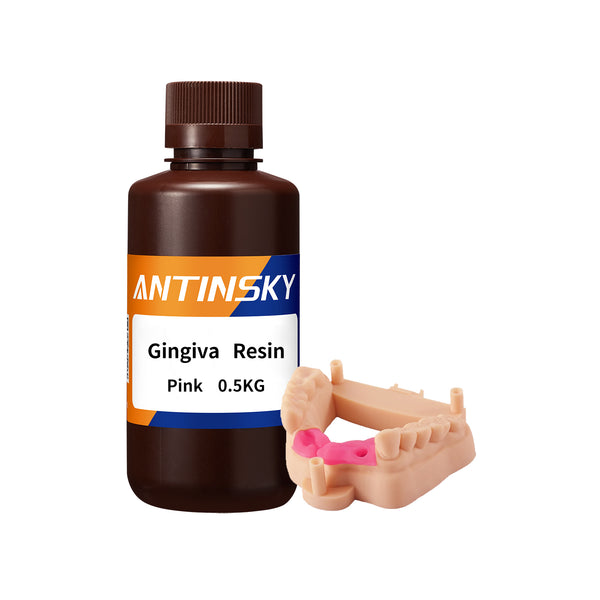
Dental resins are formulated for models, surgical guides, splints, dentures, and temporary crowns. They offer high precision, low shrinkage, and biocompatibility where needed.
Best for: Dental models, surgical guides, occlusal splints, denture bases
Example: ANTINSKY Dental Guide Resin, Occlusal Splint Resin
5. Engineering Resin — High-Temperature & Specialty
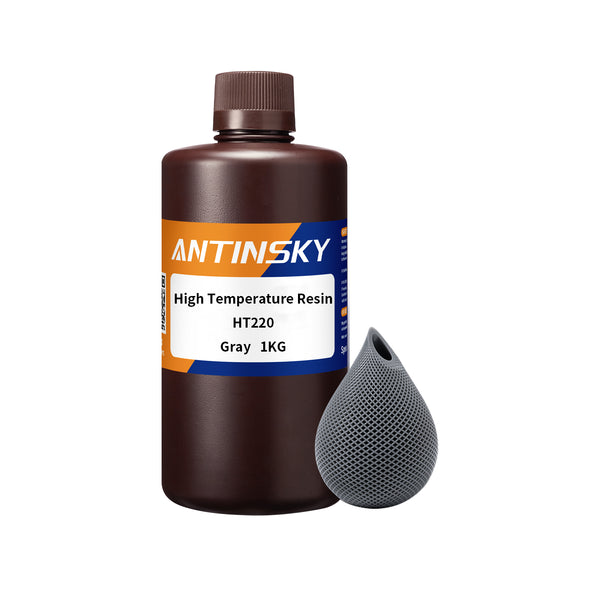
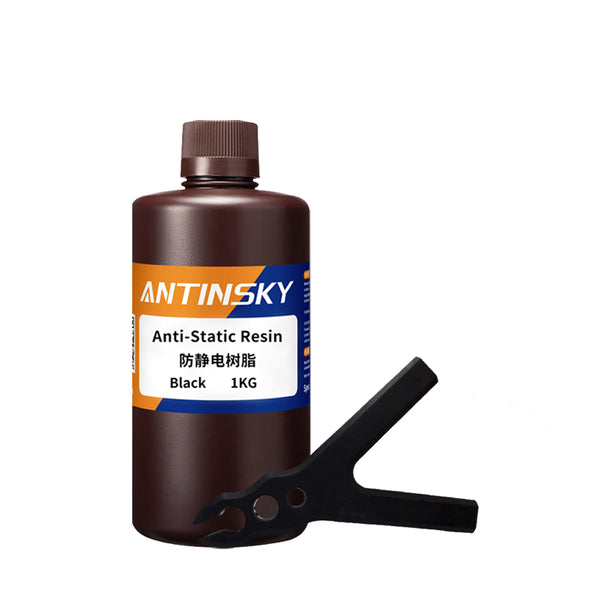
Engineering resins handle conditions standard resins can't: high temperatures, flame retardance, and chemical exposure.
Best for: Molds, heat-resistant parts, flame-retardant enclosures
Example: ANTINSKY Flame Retardant Resin (UL94 V-0), High Temperature Resin HT220
6. Flexible & Elastic Resin
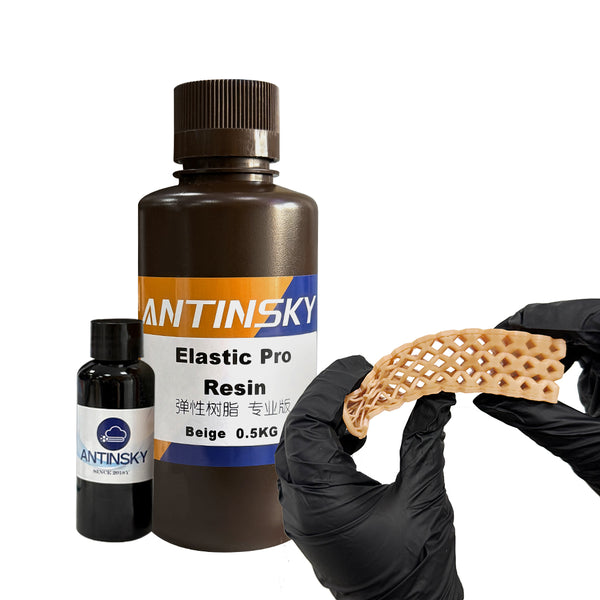
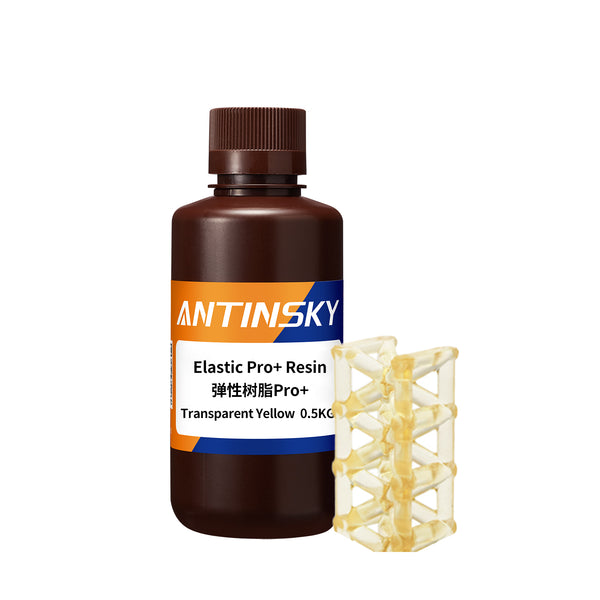
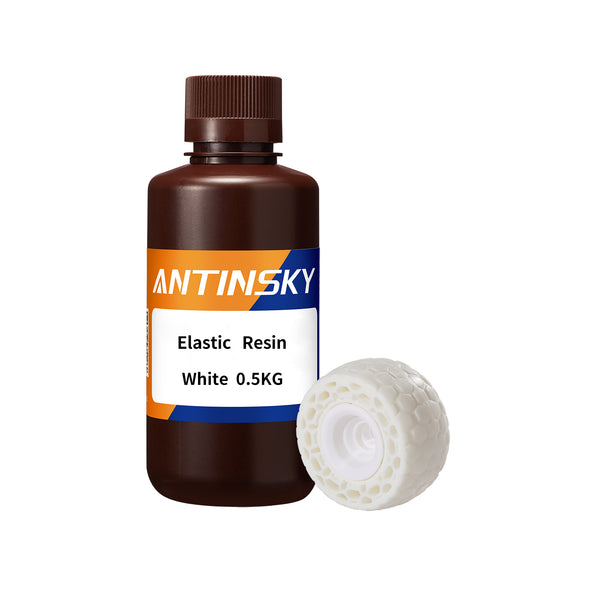
Flexible resins produce soft, rubber-like parts — seals, gaskets, wearable prototypes, and shock-absorbing components. Shore hardness varies from soft (like a phone case) to firm.
Best for: Seals, gaskets, ergonomic prototypes
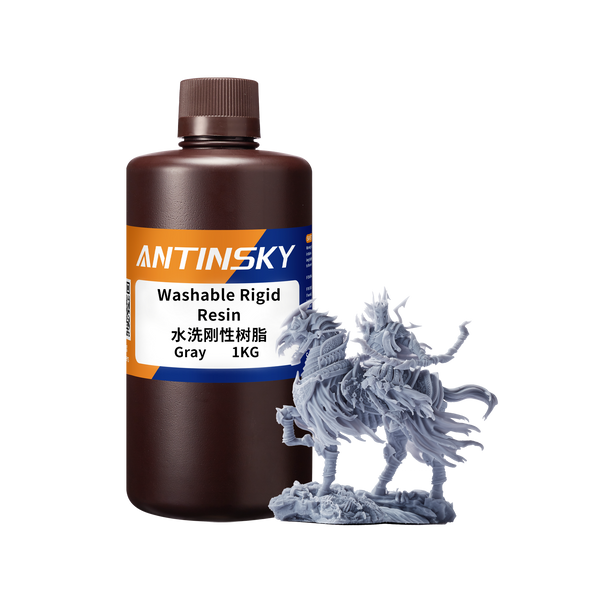
7. Water-Washable Resin
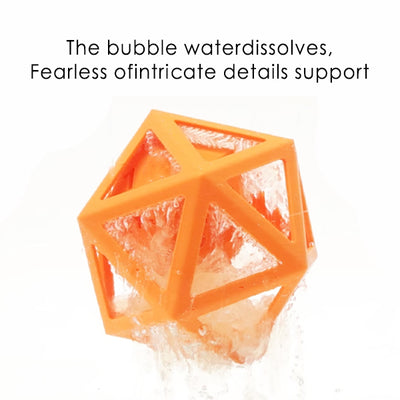
Water-washable resins clean up with plain water instead of isopropyl alcohol. Safer, cheaper cleanup — a favorite for beginners and workshops that want to avoid IPA fumes.
Best for: Beginners, rapid prototyping, schools
8. Specialty Resins: Transparent, Bi-Color & More
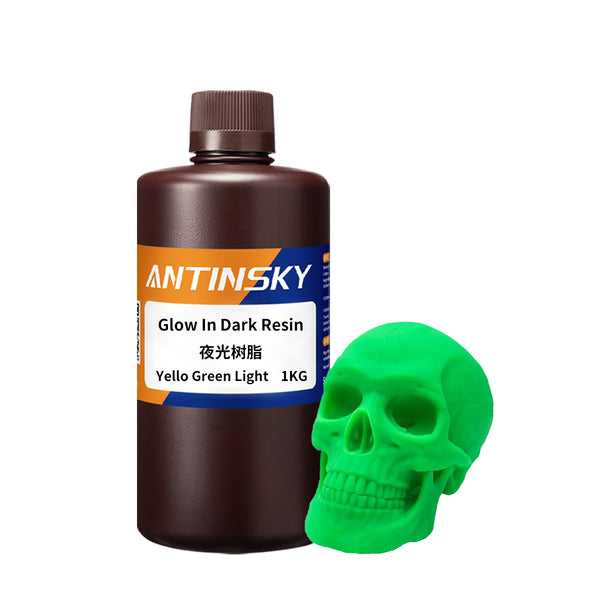
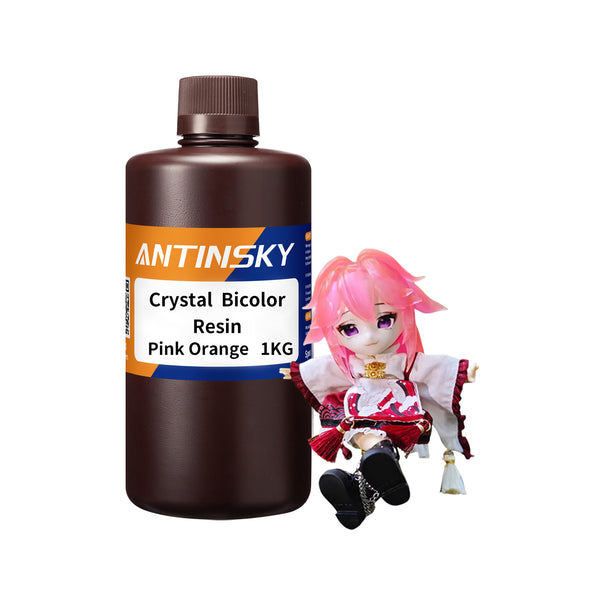
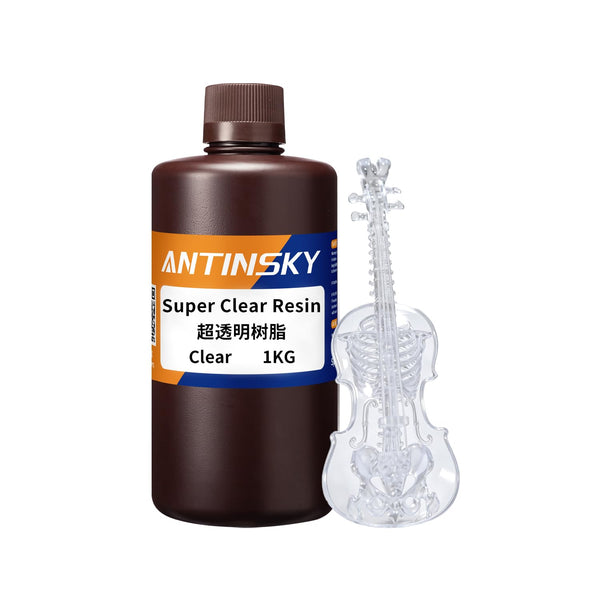
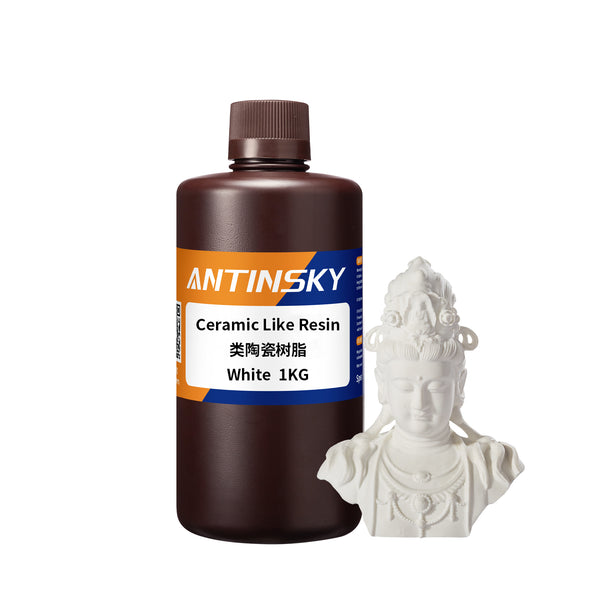
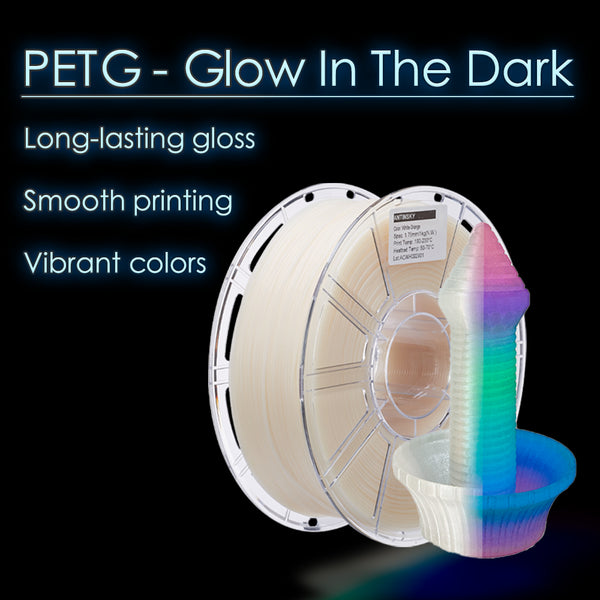
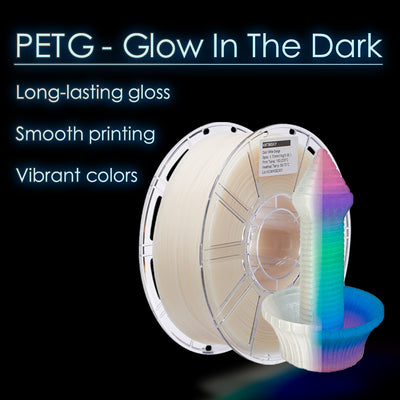
Specialty resins unlock creative and practical applications: super-clear resins for lenses and light guides, bi-color resins for two-tone parts without multi-material printing, and glow-in-the-dark resins for signage and fun projects.
Quick Comparison Table
| Resin Type | Best Use | Key Property | Difficulty |
|---|---|---|---|
| Standard | Models, miniatures | Detail + value | ⭐ |
| Tough | Functional parts | Impact resistance | ⭐⭐ |
| Castable | Jewelry, casting | Clean burnout | ⭐⭐⭐ |
| Dental | Medical models | Precision, biocompatibility | ⭐⭐⭐ |
| Engineering | Heat/flame resistance | UL94, HDT | ⭐⭐⭐ |
| Flexible | Soft parts | Elasticity | ⭐⭐ |
| Water-washable | Quick workflow | Water cleanup | ⭐ |
| Specialty | Creative/technical | Optical, color effects | ⭐⭐ |
How to Choose the Right Resin for Your Project
- Miniatures & display models → Standard resin (cheapest, most colors)
- Jewelry masters → Castable resin (clean burnout = no casting defects)
- Dental work → Dental-specific resin (precision + safety)
- Functional prototypes → Tough resin
- High-heat environments → Engineering resin (HT220, flame retardant)
- Soft touch parts → Flexible resin
Resin Printing Tips for Beginners
- Shake your resin well before pouring — pigments settle
- Dial exposure times per resin — each resin has a different optimal layer exposure
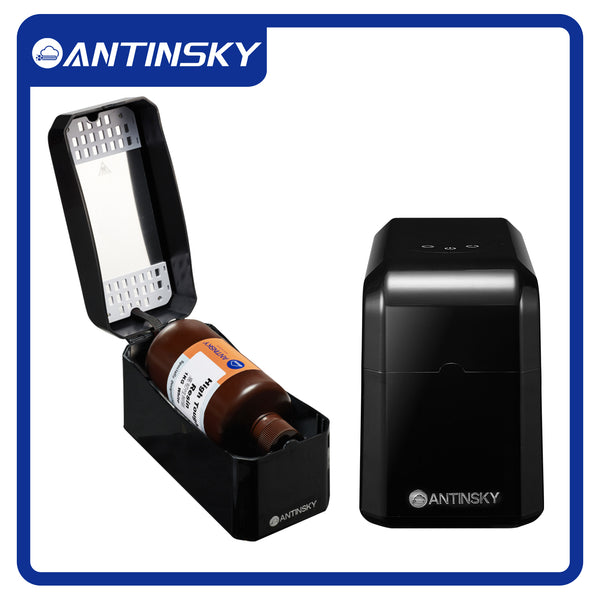
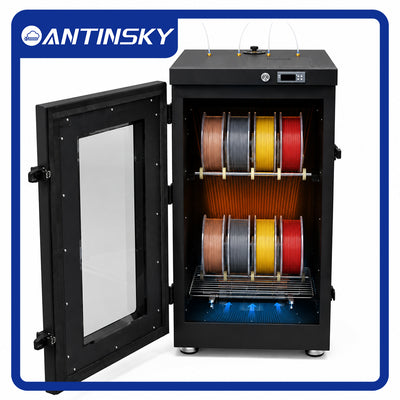
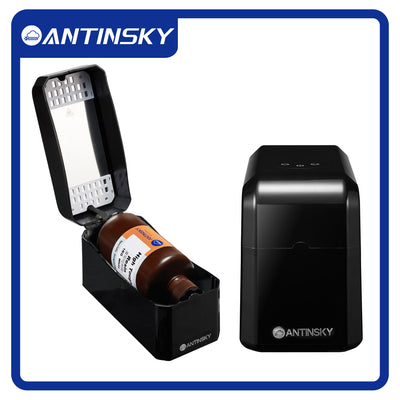
- Print at 25–30°C — cold resin is viscous and prints poorly; use a heated resin mixer to warm and homogenize the vat
- Wash thoroughly — uncured resin on the surface ruins curing quality
- Post-cure properly — 5–10 minutes under 405 nm UV for full strength
- Wear nitrile gloves — always handle uncured resin safely
FAQ
What wavelength do most resins need?
Most consumer resins cure at 385–405 nm, which matches almost every LCD/DLP printer on the market.
Can one resin do everything?
No — that's the trap. A "general purpose" resin compromises on every property. Buy the right resin for the job; it's cheaper than failed prints.
Is resin printing expensive?
Entry costs are low — resin is affordable per gram, and a 1 kg bottle prints a lot of parts. Start with standard resin and upgrade categories as your needs grow.
Start With the Right Resin
Choosing the right resin is 80% of a successful resin print. Match the material to the application and your prints will look and perform dramatically better. Browse the full ANTINSKY resin collection — from value standard resins to professional dental and castable lines — and find the exact match for your next project.